

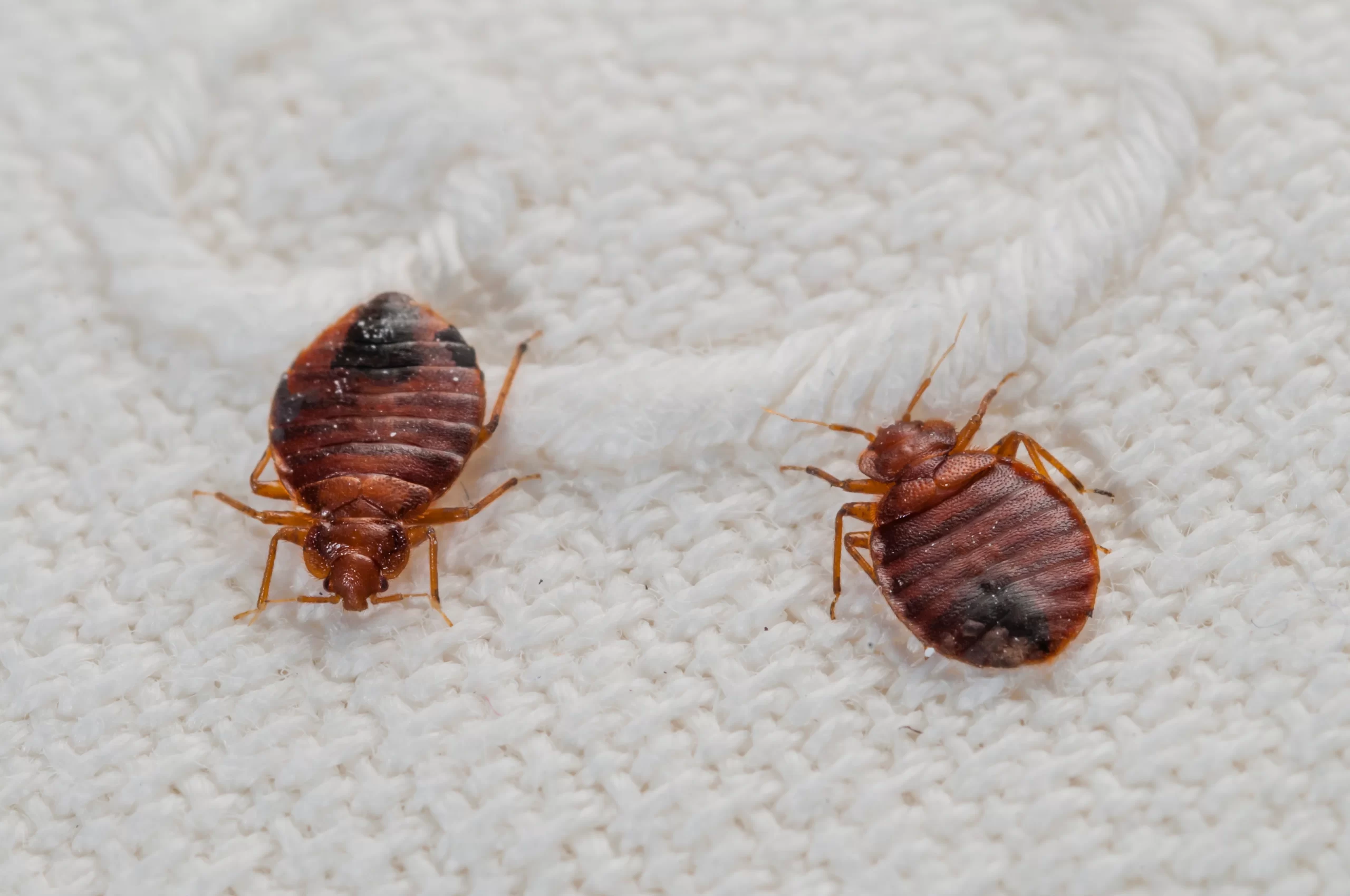
Unlike many pests that thrive in specific seasons, bed bugs are not strictly seasonal. These persistent parasites can infest homes and businesses year-round. However, there are certain times of the year when bed bug activity increases, and understanding these patterns can help you stay vigilant and avoid bringing home an unwanted infestation.
In this post, we’ll explore how the time of year can impact bed bug activity, why infestations often spike during specific months, and what you can do to protect your home—no matter the season.
Do Bed Bugs Have a “Season”?
Technically speaking, bed bugs do not hibernate, and they aren’t directly affected by outdoor temperatures the way other insects might be. They are indoor pests that live in climate-controlled environments, such as homes, apartments, hotels, and public buildings.
So while they can survive and reproduce year-round, their spread and visibility tend to increase during certain seasons due to changes in human behavior—not because of the weather itself.
Peak Bed Bug Season: June Through October
Bed bug activity is often highest during the late spring, summer, and early fall—especially between June and October. There are a few key reasons for this:
1. Increased Travel
Summer is peak travel season. More people are staying in hotels, using public transportation, visiting friends and family, and moving between places. Bed bugs are excellent hitchhikers, and luggage, clothing, and personal belongings are common vehicles for them to spread.
Every time someone checks into a hotel or sits on a public bus or train, there’s a small chance of exposure. Bed bugs can easily crawl into suitcases or backpacks, then travel home with you—sometimes without any signs for days or weeks.
2. College Dormitories and Apartment Turnovers
Late summer and early fall are also when students head back to college. Dormitories, shared housing, and off-campus apartments are hotbeds for bed bug transfers, especially when secondhand furniture or mattresses are brought in.
Similarly, apartment complexes often see high turnover during these months, with people moving in and out—an ideal time for infestations to be accidentally spread between units.
3. Warm Weather Encourages Activity
While indoor temperatures are fairly consistent, some studies suggest that warmer ambient temperatures can speed up the bed bug life cycle. Eggs hatch faster, and bugs reproduce more quickly. This may contribute to the higher numbers seen in summer and early fall.
Winter Isn’t a Safe Zone
It’s a common misconception that bed bugs “go away” in winter. In reality, many infestations are first discovered during colder months—not because they’re more active, but because people are spending more time indoors and in bed.
Winter conditions may actually help infestations grow undetected, since windows stay closed, furniture is less frequently moved, and people travel less—allowing the bugs to settle in undisturbed.
How to Stay Protected All Year Round
Whether it’s summer vacation or the middle of winter, there are simple, effective ways to reduce your chances of a bed bug encounter:
When Traveling:
- Inspect hotel beds, mattress seams, and headboards for signs of bugs
- Don’t put luggage on the bed or floor—use the luggage rack
- Keep clothes sealed in bags and wash everything on high heat upon returning home
At Home:
- Avoid bringing secondhand furniture inside unless thoroughly inspected
- Vacuum regularly, especially around beds, couches, and baseboards
- Use bed bug-proof mattress encasements for added protection
- Be cautious in shared laundry rooms or apartment buildings
During Moving or College Season:
- Inspect moving trucks, boxes, and furniture for bugs
- Keep items off the floor when unpacking
- Launder all clothing, linens, and soft items before placing them in drawers or closets
Signs of a Bed Bug Infestation (Any Time of Year)
Bed bugs are stealthy, but they leave behind clues. Watch for:
- Small, red, itchy bites in a line or cluster
- Tiny blood stains on your sheets or pillowcases
- Dark spots (fecal matter) on mattresses or furniture
- Shed skins or white eggs in mattress seams or crevices
- A sweet, musty odor in heavily infested areas
If you notice these signs, it’s important to act quickly. The longer an infestation goes untreated, the harder and more expensive it becomes to eliminate.
Final Thoughts
So, are bed bugs seasonal? Not exactly. While they don’t disappear during the winter, their numbers and spread often spike in warmer months due to travel, moving, and human activity.
That said, no time of year is truly “safe.” Staying aware of the risks and taking preventive steps year-round is the best way to avoid an infestation.
If you suspect bed bugs in your home—whether it’s July or January—don’t wait. Early detection and professional treatment are key to keeping your home bed bug-free. We recommend Positive Pest Management.
