

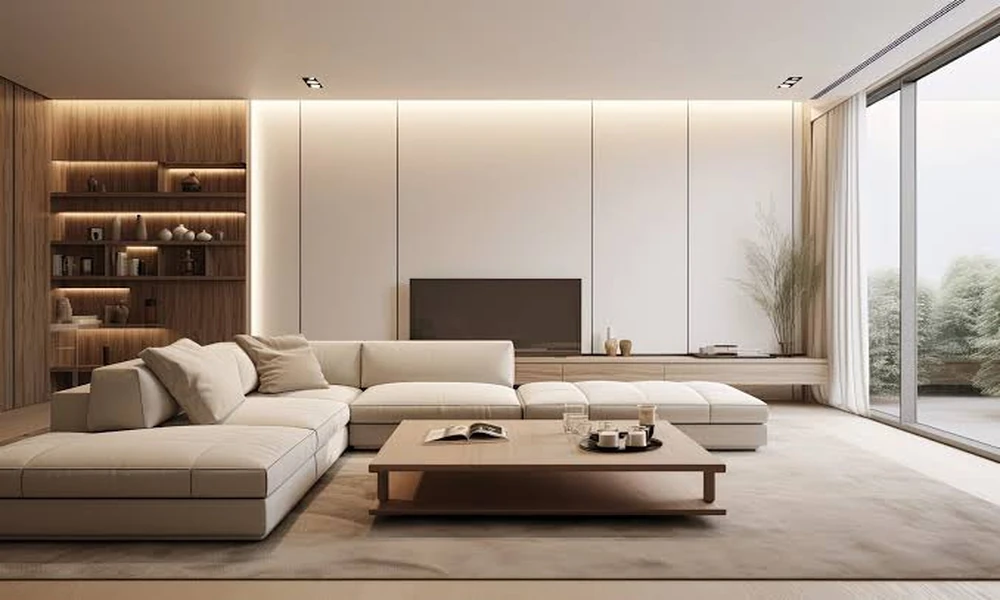
Lighting is one of the most powerful design elements in any interior. It affects how a room looks, how colors appear, how furniture is perceived, and how comfortable the space feels throughout the day. Even a well-designed room can feel flat or unfinished if the lighting is too harsh, too dim, or poorly placed.
The best lighting plans do more than provide brightness. They create layers, highlight important features, support daily activities, and help establish the mood of the room. Homeowners and designers looking for contemporary fixtures with strong visual character may consider Avant-Scene lighting when exploring options for creating a more refined and functional interior.
Why Lighting Has Such a Strong Impact on Interior Design
People often focus first on furniture, flooring, wall colors, and accessories, but lighting can completely change how all of those elements are experienced.
The same room can feel:
- Warm and inviting
- Bright and energetic
- Calm and relaxing
- Dramatic and sophisticated
depending on the lighting.
This is why lighting should be considered early in the design process rather than treated as a final decorative detail.
A strong lighting plan supports both appearance and function.
What Are the Main Types of Interior Lighting?
Most successful interiors use more than one type of light.
A layered approach often includes three main categories.
Ambient Lighting
Ambient lighting provides general illumination throughout the room.
This may come from:
- Ceiling fixtures
- Chandeliers
- Recessed lighting
- Large pendants
Its purpose is to create a comfortable overall level of brightness.
Task Lighting
Task lighting supports specific activities.
Examples include:
- Reading lamps
- Desk lamps
- Kitchen counter lighting
- Bathroom vanity lights
The light should be directed where it is actually needed.
Accent Lighting
Accent lighting highlights specific features.
This may include:
- Artwork
- Architectural details
- Shelving
- Decorative objects
- Textured walls
Accent lighting adds visual depth and helps the room feel more intentional.
Why Layered Lighting Works Better Than a Single Fixture
One ceiling light rarely provides everything a room needs.
It may make the space bright, but it can also create harsh shadows or a flat appearance.
Layering several light sources allows different parts of the room to serve different purposes.
For example, a living room may combine:
- A central ceiling fixture
- A floor lamp near a sofa
- A table lamp on a side table
- Accent lighting near artwork
This gives the room more flexibility.
During the day, only a small amount of artificial light may be needed.
In the evening, softer lamps can create a more relaxed atmosphere.
Why Statement Lighting Can Become a Focal Point
Some lighting fixtures are functional objects.
Others become part of the visual identity of the room.
A sculptural chandelier, oversized pendant, or distinctive floor lamp can function almost like artwork.
Statement lighting works particularly well in:
- Dining rooms
- Entryways
- Living rooms
- Staircases
- Large bedrooms
The fixture should feel proportionate to the space.
A piece that is too small may disappear visually.
A fixture that is too large may overwhelm the room.
How Lighting Can Improve a Living Room
The living room usually serves several purposes.
It may be used for:
- Conversation
- Reading
- Watching television
- Entertaining guests
- Relaxing
Because of this, one type of lighting is rarely enough.
A good living room lighting plan may include:
Floor Lamps
Floor lamps can add height and provide light near seating areas.
Table Lamps
These create softer light and work well on side tables or consoles.
Ceiling Fixtures
A central fixture can help provide general illumination.
Accent Lighting
This can highlight art, shelving, or architectural details.
The goal is to make the room comfortable at different times of day.
Why Dining Room Lighting Deserves Special Attention
The dining table is often the central element of the room.
Lighting above it should create focus without becoming uncomfortable.
Pendant lights and chandeliers are commonly used because they visually define the dining area.
- Table size
- Ceiling height
- Room size
- Fixture width
- Hanging height
The light should illuminate the table without blocking sightlines.
It should also complement the furniture rather than competing with it.
How Kitchen Lighting Should Be Planned
Kitchens need both practicality and atmosphere.
Good lighting should support:
- Food preparation
- Cleaning
- Cooking
- Dining
- Entertaining
A complete kitchen may use:
General Ceiling Lighting
This provides overall brightness.
Under-Cabinet Lighting
This improves visibility on countertops.
Pendant Lighting
Pendants can work well over islands or breakfast areas.
Accent Lighting
This may be used inside cabinets or around display shelving.
The best kitchen lighting reduces shadows while maintaining a warm and inviting feeling.
Why Bedroom Lighting Should Feel Softer
Bedrooms are different from kitchens and offices.
They should feel calm and comfortable.
Harsh overhead lighting can make the room feel less relaxing.
- Bedside lamps
- Wall sconces
- Soft ceiling lighting
- Reading lights
- Accent lamps
Multiple light sources allow the room to shift from practical to relaxing depending on the time of day.
How Lighting Can Improve a Home Office
A home office needs enough light to reduce eye strain and support concentration.
This does not mean the room should be extremely bright.
- Natural light
- General lighting
- Desk lighting
The desk should have focused illumination without creating glare on screens.
A good lamp can also make the workspace feel more intentional and professional.
Why Bathroom Lighting Needs Balance
Bathrooms need practical lighting, especially around mirrors.
A single overhead fixture may create shadows on the face.
Better bathroom lighting may include:
- Vanity lighting
- General ceiling light
- Shower lighting
- Accent lighting
Balanced light around the mirror can make grooming tasks easier.
At the same time, softer lighting options can help the room feel more relaxing.
How Lighting Can Affect Perceived Room Size
Lighting can influence how large or small a room feels.
A dark room with one central light may feel smaller.
Multiple light sources can help open the space visually.
Useful strategies include:
- Lighting corners
- Using wall sconces
- Adding floor lamps
- Highlighting vertical surfaces
- Using reflective materials carefully
Light can help draw attention to different parts of the room and reduce heavy shadow areas.
Why Warm and Cool Light Create Different Moods
The color temperature of light affects atmosphere.
Warmer light can feel:
- Cozy
- Relaxed
- Comfortable
Cooler light can feel:
- Crisp
- Bright
- Energetic
Living rooms and bedrooms often benefit from warmer tones.
Workspaces may need a cleaner and brighter feeling.
The best choice depends on the room and how it is used.
Why Dimmers Can Add Flexibility
A dimmer allows the same fixture to support different situations.
For example, a dining room may need brighter light during cleaning and softer light during dinner.
A living room may need more brightness when guests arrive and less later in the evening.
Dimmers can make lighting more adaptable without adding more fixtures.
This simple feature can significantly improve the usability of a room.
How Lighting Can Highlight Art and Architecture
Lighting can help important design elements stand out.
Accent lighting may be used to highlight:
- Artwork
- Sculptures
- Shelves
- Textured walls
- Architectural details
This creates depth.
Instead of every surface receiving the same amount of light, certain areas become focal points.
This can make the room feel more carefully designed.
Why Fixture Material Matters
Lighting fixtures are available in many materials and finishes.
These may include:
- Metal
- Glass
- Fabric
- Stone
- Wood
- Mixed materials
The finish should relate to the broader interior.
For example, metal lighting may connect with cabinet hardware, table bases, or other decorative details.
Glass fixtures can create a lighter appearance.
Textured materials can add warmth.
The fixture should feel like part of the overall design language.
How Scale Affects Lighting Design
One of the most common lighting mistakes is choosing fixtures that are too small.
A tiny pendant in a large room may look visually weak.
An oversized fixture in a compact room may dominate too much.
Scale should relate to:
- Room dimensions
- Furniture size
- Ceiling height
- Table width
In large spaces, multiple fixtures may work better than a single small one.
Why Floor Lamps Are So Useful
Floor lamps can solve several design problems at once.
They provide light, add height, and fill empty corners.
They are especially useful near:
- Sofas
- Reading chairs
- Desks
- Beds
A sculptural floor lamp can also become a decorative feature.
Because it does not require ceiling installation, it can be a flexible option for renters or people who frequently rearrange furniture.
Why Table Lamps Still Matter
Table lamps create a softer and more intimate atmosphere than overhead lighting.
They work well on:
- Side tables
- Consoles
- Nightstands
- Desks
- Sideboards
The shade, base, and material can also add personality to the room.
Using several lamps at different heights can make the space feel more layered and comfortable.
How Lighting Can Define Open-Concept Spaces
Open-plan interiors often combine living, dining, and kitchen zones.
Lighting can help visually separate these areas.
For example:
- Pendants can define an island
- A chandelier can identify the dining area
- Floor lamps can anchor the living room
- Accent lighting can highlight architectural boundaries
This creates structure without adding walls.
The result can feel more organized and intentional.
Why Lighting Should Work With Natural Light
Artificial lighting should complement natural light rather than compete with it.
During the day, rooms may need very little artificial illumination.
In the evening, the lighting plan should gradually take over.
Consider:
- Window placement
- Direction of sunlight
- Room orientation
- Existing shadows
- Time of day
A room with strong natural light may need different fixtures from one with limited windows.
Why Good Lighting Can Make Furniture Look Better
Lighting affects how furniture colors and materials appear.
Fabric, wood, stone, and metal all respond differently to light.
Good illumination can reveal:
- Texture
- Shape
- Color depth
- Material quality
Poor lighting can make even beautiful furniture appear flat.
This is one reason lighting and furniture selection should be planned together.
What to Consider Before Buying Lighting
Before selecting fixtures, ask a few practical questions.
What Is the Purpose of the Light?
Is it for general brightness, reading, working, or decoration?
How Large Is the Room?
Scale affects fixture size.
What Is the Ceiling Height?
This influences pendant and chandelier placement.
What Other Lighting Already Exists?
The new fixture should support the existing plan.
What Style Fits the Interior?
The fixture should complement the room rather than feel disconnected.
Is Flexibility Important?
Dimmers or movable lamps may be useful.
Common Lighting Mistakes to Avoid
Several mistakes can make a well-designed room feel less successful.
Relying on One Light Source
One fixture rarely provides enough flexibility.
Ignoring Scale
Fixtures should match the room and furniture.
Using Only Bright White Light
Too much cool light can make relaxing rooms feel harsh.
Forgetting Task Lighting
Work areas need focused illumination.
Choosing Fixtures Only for Appearance
A beautiful light should still function well.
Ignoring Glare
Poor placement can create uncomfortable reflections.
Avoiding these mistakes can improve both comfort and appearance.
Why Lighting Is Worth Planning Early
Lighting often requires electrical preparation.
If homeowners wait until the end of a renovation to make decisions, they may discover that outlets, junction boxes, or switches are in the wrong locations.
Planning early makes it easier to:
- Position fixtures correctly
- Add dimmers
- Coordinate switches
- Hide wiring
- Integrate lighting with furniture
This can create a cleaner finished result.
Final Thoughts
Lighting has the power to transform how a home looks and feels. It influences mood, comfort, functionality, furniture, color, and the way different areas connect visually.
The strongest interiors rarely rely on a single fixture. Instead, they combine ambient, task, and accent lighting to create layers that can adapt throughout the day.
By considering scale, placement, light temperature, natural light, room function, and fixture design, homeowners can create spaces that feel more polished and comfortable. The right lighting does not simply make a room brighter. It helps define the atmosphere and brings the entire interior design together.
