

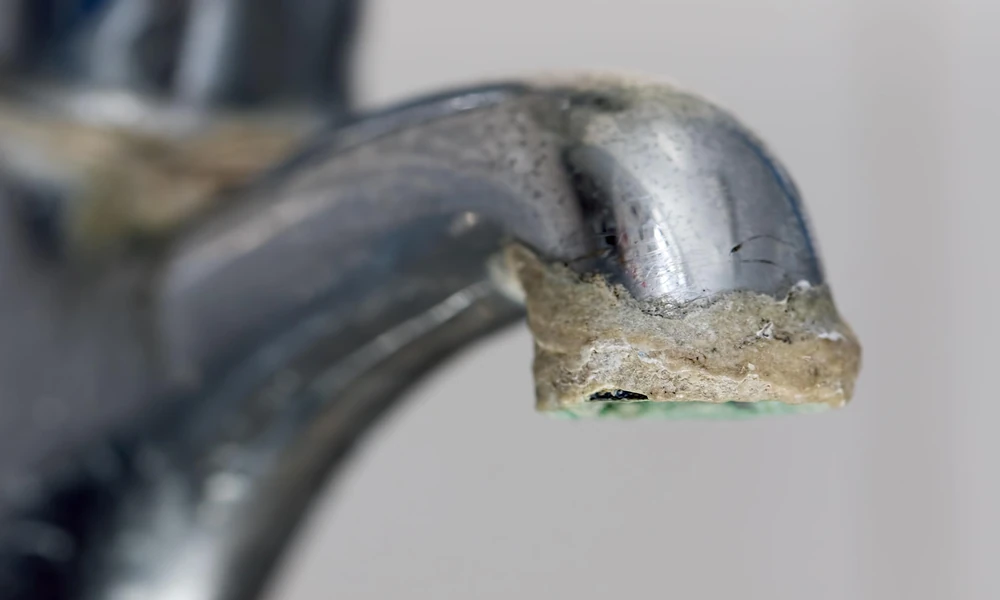
Most homeowners in Collin County never test their water. They notice it instead. A white ring forms around the shower drain. The glass shower door turns cloudy a week after cleaning. Dishes come out of the dishwasher with a dull film, and the coffee maker starts taking longer to brew. These small annoyances are usually the first sign that the water flowing into the house carries more dissolved minerals than the plumbing would like.
That is why a growing number of families around Lavon, Wylie and the surrounding towns are rethinking how water is treated before it reaches the tap. Some start with a single pitcher filter, while others look at whole-home setups through local dealers such as Texas Best Water System, which installs salt-free whole-house equipment across North Texas. Whatever route a household takes, the decision gets much easier once you understand what is actually in the water and what each type of treatment can and cannot do. The U.S. Geological Survey explains that water hardness comes mainly from dissolved calcium and magnesium, picked up as water moves through soil and rock.
North Texas water often travels through limestone country and large surface reservoirs before it is treated. Hardness is not a health hazard, but it is hard on fixtures, water heaters and anything that heats water repeatedly.
Where the Minerals Show Up First
Hard water rarely announces itself all at once. It builds up in places that get hot or stay wet. Walking through the house with a careful eye can tell you a lot before you spend a dollar on testing.
- Showerheads and faucet aerators. Clogged nozzles that spray sideways are a classic sign of scale buildup inside the fixture.
- The water heater. A rumbling or popping sound during heating often means sediment has settled at the bottom of the tank.
- Glassware and dishes. Spots that stay after drying point to minerals left behind as water evaporates.
- Skin and hair. Some people notice soap does not rinse cleanly and hair feels stiff after washing.
- Laundry. Towels that feel rough and colors that fade quickly can both be linked to mineral content.
- Ice maker and kettle. White flakes floating in boiled water are calcium deposits breaking loose.
None of these clues alone proves a problem. Together, they paint a fairly clear picture.
Reading Your Water Report Before Buying Anything
Every community water system in the country must publish an annual drinking water quality report. These documents list the source of the water, the contaminants detected and how those levels compare to federal limits. Homeowners can track down their local copy through the EPA’s Consumer Confidence Report page, or by searching their city’s name with “water quality report.”
When reading it, a few items deserve attention. Hardness is often listed in milligrams per liter or grains per gallon. The disinfectant type also matters a great deal. Many North Texas utilities use chloramine, a blend of chlorine and ammonia that lasts longer in the pipes than chlorine alone. Several of these systems temporarily switch to free chlorine for a few weeks each year to keep the distribution network clean, and residents often notice a stronger pool-like smell during that period.
Chloramine is more stubborn to remove than plain chlorine. Standard carbon pitcher filters may not handle it well, which is why the type of carbon used in a filter becomes important.
Homes on private wells are a different story. They do not receive a utility report, so an independent lab test is the only reliable way to learn what is coming out of the ground.
Understanding the Main Treatment Approaches
Water treatment is not one product. It is a group of technologies that solve different problems. Mixing them up is the most common mistake buyers make.
Traditional Salt-Based Softeners
These units use ion exchange. Calcium and magnesium are swapped for sodium as water passes through a resin bed. The result is truly soft water that lathers easily. The tradeoffs include bags of salt to haul, periodic regeneration that sends brine down the drain and a small increase in sodium in the water. Some cities have restricted brine discharge because of its effect on wastewater treatment.
Salt-Free Conditioners
Salt-free systems take a different path. Rather than removing hardness minerals, they aim to change how those minerals behave so they are less likely to cling to pipes and heating elements. Methods vary by manufacturer, and so do results. Homeowners comparing these units should ask for independent testing data rather than relying on general claims, since performance can depend heavily on water chemistry and flow rate.
Whole-House Filtration
Filtration at the point where water enters the home targets taste, odor and chemicals. Catalytic carbon is commonly used to reduce chloramine. Sediment prefilters catch sand and rust particles. A whole-house filter treats every faucet, shower and appliance, which appeals to families who care about bathing water as much as drinking water.
Reverse Osmosis
Reverse osmosis pushes water through a very fine membrane and removes a broad range of dissolved substances. It produces very pure water, but it also strips out minerals and sends some water to the drain during operation. Most households install it under the kitchen sink for drinking and cooking rather than for the whole house.
Questions Worth Asking Any Installer
A good conversation with a water treatment professional sounds more like a consultation than a sales pitch. Ask what specific problem the equipment solves based on your water report. Ask whether the components carry third-party certification, such as NSF/ANSI standards for the contaminant reductions being claimed. Find out what ongoing maintenance involves, including filter changes, media replacement and any cleaning cycles the unit runs on its own.
Warranty length matters, but so does what the warranty actually covers. A long warranty on the tank means less if the internal media needs replacing every few years at the owner’s expense. It also helps to ask how the system handles the annual chlorine switch that many local utilities perform.
Plumbing layout should be part of the discussion too. Older homes in the area may have limited space near the main line, and newer builds sometimes include a loop designed for treatment equipment. A proper site visit should cover water pressure, pipe size and where the unit will physically sit.
Pairing the Equipment With the Problem
The smartest approach starts with the problem and works backward to the solution. A household bothered mostly by scale on fixtures has different needs from one bothered by chemical taste. A family on a private well may face iron or bacteria concerns that city residents never encounter.
It is also worth thinking about the house itself. Water heaters, tankless units, dishwashers and washing machines all run longer and more efficiently when mineral buildup stays under control. Over a decade, protecting those appliances can matter as much as the taste of a glass of water.
Clean, comfortable water is less about chasing the newest gadget and more about matching the right treatment to what actually flows through your pipes. Read the report, look for the clues around the house, ask direct questions and choose the equipment that solves the problem you really have.
