

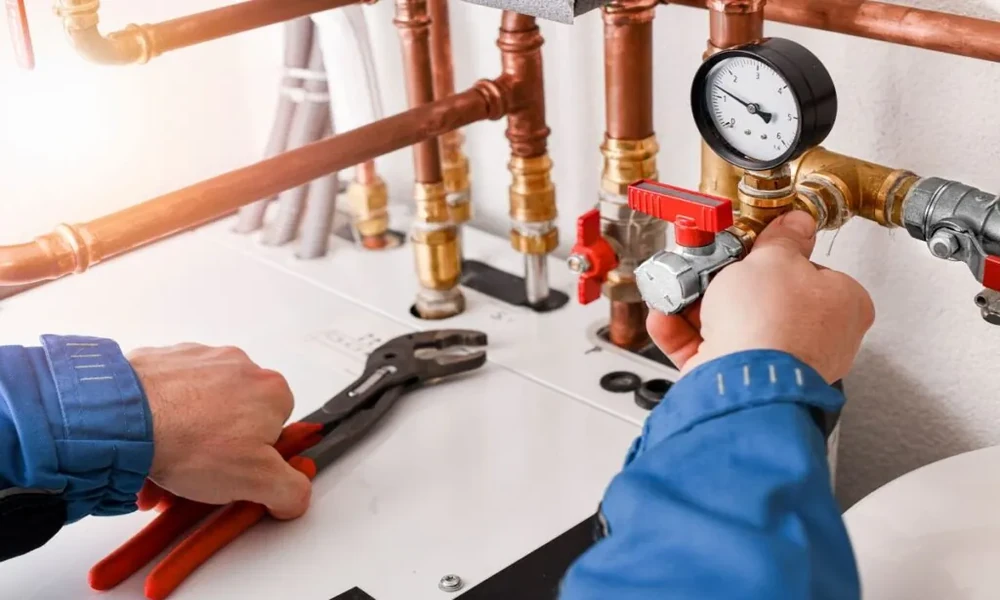
Most homeowners do not think much about their plumbing until a problem appears. A blocked drain, leaking pipe, or overflowing sink can quickly disrupt everyday routines and often result in expensive repairs. Although some plumbing issues are unavoidable, many common problems can be prevented with a little attention and regular upkeep.
Learning how your plumbing system works can go a long way towards avoiding unnecessary headaches. If you have noticed slow-draining sinks, recurring clogs, or water backing up where it should not, professional drain cleaning in Naples, FL may help resolve the issue before it develops into a larger and more costly problem. Proper maintenance today can save both time and money in the future.
Why Plumbing Problems Occur
Plumbing systems work hard every day. Water flows through pipes, drains remove waste, and fixtures are used repeatedly throughout the household. Over time, normal use can cause wear and tear, while certain habits may increase the risk of problems.
Many drain issues develop gradually. Small amounts of grease, soap residue, food particles, hair, and other debris can build up inside pipes. As these materials accumulate, water flow becomes restricted and blockages become more likely.
Leaks can also occur as pipes age or when fittings become loose. Changes in temperature, water pressure, and general aging can all affect plumbing components over time.
Be Careful About What Goes Down the Drain
One of the easiest ways to prevent plumbing issues is to pay attention to what enters your drains.
Kitchen sinks often experience blockages because grease, cooking oils, and food scraps are washed away after meals. Although these substances may appear harmless when liquid, they can harden inside pipes and gradually restrict water flow.
Bathroom drains commonly collect hair, soap residue, and personal care products. These materials can combine to form stubborn clogs that become increasingly difficult to remove.
Being mindful of what goes down sinks, showers, and toilets can significantly reduce the likelihood of drainage problems developing.
Address Slow Drains Early
A slow-draining sink or shower may seem like a minor inconvenience, but it is often an early warning sign of a developing blockage.
When water begins draining more slowly than usual, it usually indicates that debris is accumulating somewhere within the pipe. Ignoring the issue allows the blockage to continue growing until the drain becomes completely obstructed.
Taking action early can often prevent a small problem from becoming a major repair. Regular cleaning and routine maintenance can help keep drains flowing freely.
Avoid Excessive Use of Chemical Drain Cleaners
Many homeowners turn to chemical drain cleaners when faced with a clog. While these products may provide temporary relief, repeated use can sometimes damage certain types of pipes.
Strong chemicals generate heat and can contribute to pipe deterioration over time. They may also fail to remove the underlying cause of recurring blockages.
In many situations, safer maintenance methods and professional cleaning services offer more effective long-term solutions.
Watch for Leaks Around the Home
Even small leaks should never be ignored. A dripping tap or minor pipe leak may seem insignificant, but ongoing water loss can lead to higher utility bills and potential property damage.
Leaks can also create damp conditions that encourage mold growth and damage walls, flooring, and cabinets.
Regularly inspecting visible pipes, taps, toilets, and appliances can help identify issues before they become more serious. If you notice moisture, staining, or unexplained water accumulation, it is important to investigate the cause promptly.
Protect Your Pipes
Pipes are designed to last for many years, but they still require proper care.
Excessive pressure on plumbing fixtures, accidental impacts, and neglected maintenance can all shorten the lifespan of a plumbing system. Homeowners should avoid hanging heavy objects from exposed pipes or using plumbing fixtures in ways they were not intended to be used.
Maintaining appropriate water pressure can also help reduce strain on pipes and fittings. Extremely high water pressure may place unnecessary stress on the system and increase the risk of leaks.
Keep Outdoor Drainage Systems Clear
Plumbing maintenance is not limited to the inside of the home. Outdoor drainage systems play an important role in directing water away from the property.
Leaves, dirt, and debris can accumulate in gutters, downpipes, and external drains. If these systems become blocked, water may not drain properly during heavy rainfall.
Regular cleaning and inspection help ensure that water flows away from the property as intended. This can reduce the risk of water-related damage and drainage issues.
Schedule Routine Plumbing Maintenance
Preventive maintenance is often the most effective way to avoid unexpected plumbing problems.
Professional inspections can identify minor concerns before they develop into larger issues. Plumbers can assess pipe conditions, check for hidden leaks, inspect drainage systems, and recommend any necessary repairs.
Routine maintenance may help extend the life of plumbing components while reducing the likelihood of emergency repairs.
Know When to Call a Professional
Some plumbing issues require expert attention. Persistent blockages, recurring leaks, unusual noises, unpleasant odours, or sudden changes in water pressure may indicate underlying problems that should not be ignored.
Attempting complex repairs without the proper knowledge or equipment can sometimes make the situation worse. Professional plumbers have the tools and experience needed to diagnose issues accurately and recommend appropriate solutions.
Seeking assistance early often helps prevent further damage and can reduce repair costs in the long run.
Conclusion
Preventing common drain and plumbing problems does not require extensive knowledge or complicated maintenance routines. Simple habits, regular inspections, and prompt attention to minor issues can make a significant difference in the health of your plumbing system.
By being mindful of what goes down your drains, addressing warning signs early, and maintaining both indoor and outdoor plumbing components, homeowners can reduce the risk of unexpected problems. A proactive approach not only helps protect your property but also contributes to a more reliable and efficient plumbing system for years to come.
