

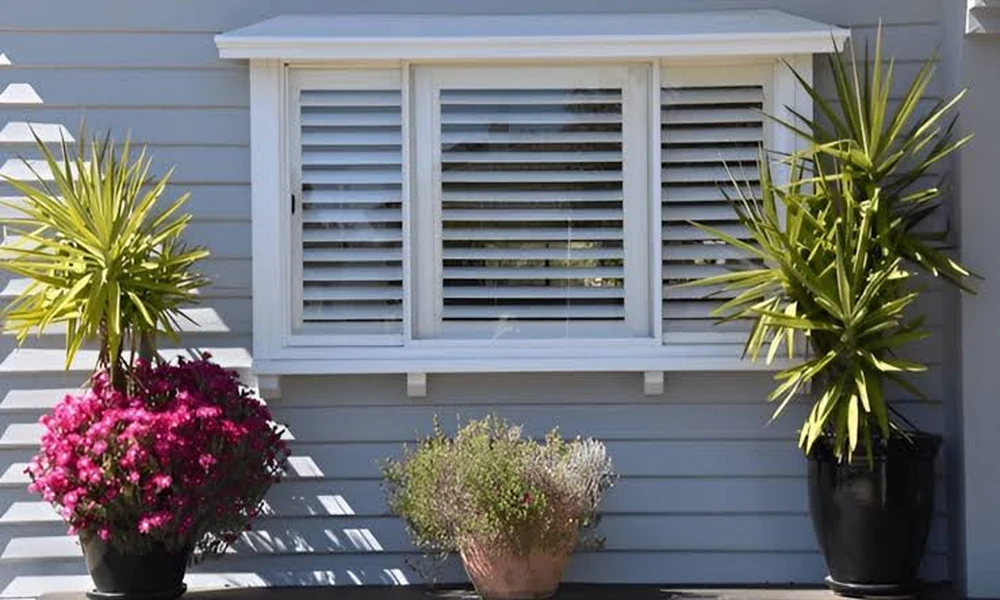
Window shutters can make a street-facing room more private and give its windows a neat, integrated finish. Their value is clearest in daily use. A higher sale price is a separate matter, and should not be assumed.
For homeowners considering interior shutters, the decision starts with three questions: what would they improve, how well would they suit the windows, and how long will you enjoy them before moving?
Where shutters earn their place
The clearest benefits are practical. Adjustable louvres let you alter light and privacy without opening the whole panel. Screening an overlooked window while still admitting daylight can make a room more comfortable to use.
When assessing shutters from a supplier such as The Blind Company, look beyond the colour sample to the frame proportions, panel layout and room around them. An attractive design still needs to accommodate window handles, opening sashes and nearby furniture.
What makes an installation look right?
Proportion comes first. A substantial frame around a small window can look heavy, while numerous panel divisions can compete with the window’s existing lines. Consider how the proposed layout relates to the whole opening, including any details you want to retain.
Daylight deserves equal attention. Tilting the louvres changes the light entering the room, but frames and panels still occupy part of the opening. Compare open and closed positions, and establish where hinged panels will sit when folded back. For a new installation, examine the proposed arrangement rather than relying on a photograph of a different window.
Look from the doorway as well as beside the glass. Does the room still feel bright? Check whether attractive window details remain visible and whether panels can open clear of furniture.
Where several windows are visible together from outside, their shutter layouts also contribute to the overall appearance. Consistency can create an orderly finish, though each room still needs a workable arrangement. Matching layouts are of little benefit if they make a particular window awkward to use.
Appearance and sale price are different measures
Installation expenditure is not the same as market value. A buyer might appreciate shutters without increasing an offer to cover their cost; someone else might favour an unobstructed view or another style of covering.
Any claim of a fixed percentage uplift would need evidence separating the shutters’ effect from location, size, condition and other improvements. A supplier’s claim about buyer appeal is insufficient evidence of that return.
A local estate agent can offer context on the property’s presentation. Ask a specific question: are the existing window coverings detracting from the room, and would changing them address that weakness? Treat the answer as an assessment of presentation, rather than a promise about the eventual offer.
Give existing shutters a closer look
Before replacing shutters, inspect what is already there. Chipped finishes, damaged louvres, uneven panel alignment and stiff hinges can undermine an otherwise well-kept room. Dust and visible marks deserve attention too.
Open and close each panel, then adjust the louvres. Check that window handles remain accessible and that nothing catches. Investigate a sticking panel rather than forcing it.
Follow the manufacturer’s cleaning instructions for the material and finish, particularly before using water or strong cleaning products. If damage is confined to one component, establish whether a separate repair is possible. A sound installation with a localised defect calls for a different response from one with extensive damage or an unsuitable layout.
Is installation worthwhile before selling?
Your timescale changes the decision. If you expect to stay for several years, judge shutters partly by the daily problem they solve. Better privacy or a window treatment you enjoy using can justify the choice on personal grounds.
For an imminent sale, concentrate on the present condition of the room. Clean, functional coverings that suit the windows may already do the job. Where the finish looks neglected, identify the defects first, then decide whether cleaning, repair or replacement is the appropriate response.
Choose new shutters when their layout and operation offer a clear improvement. For someone preparing to sell, the aim is windows that help the home feel bright, usable and cared for.
