

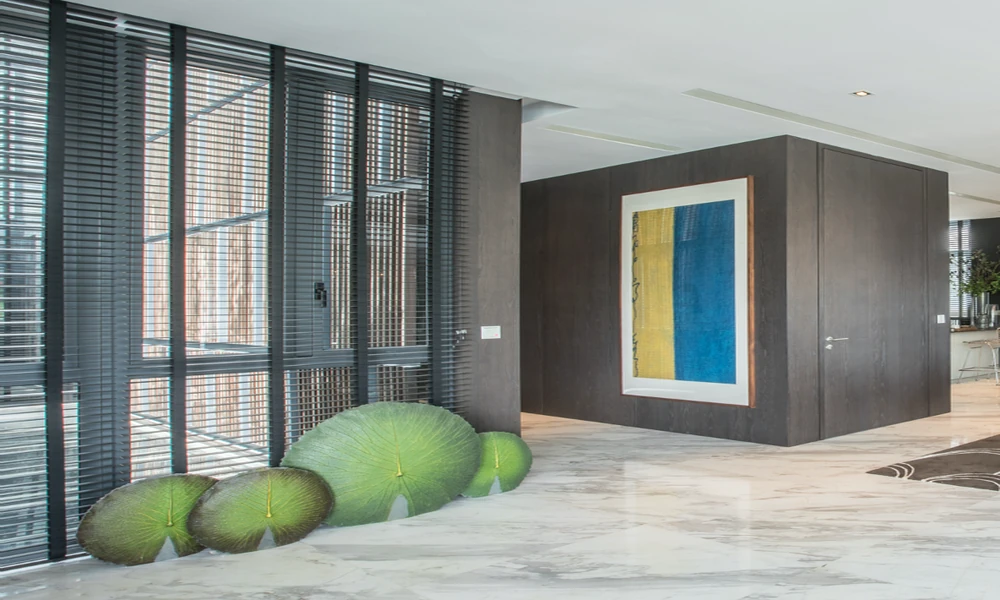
A painting can hold attention on a gallery wall, then look lost above a wide sofa. Nearby pictures may compete with it rather than form a coherent display. Art consultation tackles the relationship between the work, its framing and the room, turning separate choices into a considered arrangement.
What is an art consultant?
An art consultant advises on selecting and presenting artwork. In a domestic setting, that can involve identifying suitable pieces, assessing their placement and discussing how framing will affect the finished display. The role extends beyond finding pictures for empty walls.
Start with a specific problem: a sitting room lacks a focal point, an inherited picture feels disconnected from its surroundings, or several works need to share a wall. A clear brief gives the conversation more direction than a general request for something that looks nice.
Gallery-led selection and independent buyer representation are different services, so agree what the consultation covers at the outset.
Testing artwork in the room
Home trials, such as those offered by Lorimer Art Gallery & Bespoke Framing, let homeowners assess proposed pieces alongside their furniture, wall colour and everyday lighting.
Look from the positions where the artwork will actually be seen: the doorway, a dining chair or the opposite end of the sofa. A detailed image that rewards close viewing can have a different presence across an open-plan room. Consider its relationship with neighbouring pictures as well as the wall immediately around it.
Switch on the lamps, too. Reflections can interrupt the view, while colours may sit differently together under artificial light. Record observations specific enough to act on: the piece feels too small from the doorway, reflections obscure it from the armchair, or it competes with a painting on the adjacent wall.
Making existing pieces work together
Reviewing artwork already in the house can reveal that the problem lies in spacing, grouping or presentation rather than the pieces themselves.
Imagine three small prints spaced evenly across a wide wall above a sideboard. Each might seem isolated. Bringing them into a tighter group could establish a clearer relationship with the furniture, leaving the surrounding wall open. Paper templates cut to the framed dimensions show the group’s overall footprint before rehanging.
With mixed frames, look for continuity through a repeated mount colour, shared alignment or a balance of light and dark finishes. Discuss which differences contribute to the display and which pull attention away from the artwork. The aim is to give the pieces a relationship while preserving their individual character.
Considering framing before settling the layout
Plan the layout using finished framed dimensions. Mounts and frame mouldings add width and height, so an arrangement based on image measurements alone can become crowded once the work is ready to hang.
Compare frame samples beside the artwork, considering width, depth and finish as well as colour. A broad, dark moulding can become a strong visual element; a narrower profile may leave more attention on the image.
Compare mount widths as well. A generous border can give a small work more presence, while also increasing the space it occupies beside neighbouring pieces.
Assess these options against the artwork and the proposed arrangement. Alongside those visual choices, discuss mounting and protection appropriate to the material, particularly when reviewing an older or sentimental piece.
Preparing for a useful consultation
Bring enough information to discuss the room as it is used, including the views beyond the immediate hanging position:
- Photographs showing the whole wall, nearby furniture and views from the main seating positions.
- Wall and furniture measurements, plus the finished dimensions of existing framed pieces.
- Images of artwork you want to retain, alongside a short description of what feels unresolved.
State practical constraints early, such as a door that opens towards the wall or furniture that must stay in place. Identify the artworks the display needs to accommodate, so the discussion can build around them.
Before the conversation ends, record the decisions and anything still to be tested. That might be a proposed grouping, two framing options to compare or a new position for an existing work. A useful outcome is a clear plan for how the pieces will sit together and be seen in everyday life. Another purchase is only one possible part of that plan.
