

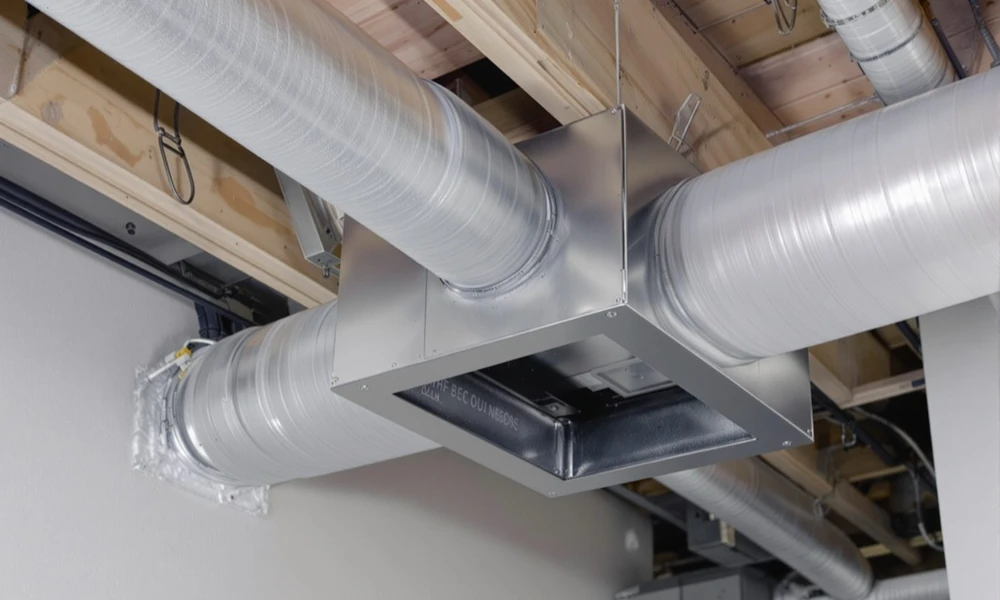
When smoke drifts into a valley, most families do the sensible things. They shut the windows, set the thermostat fan to recirculate and keep refreshing the air quality map until it turns green again. The sky clears within days. The house, however, keeps a record of that week, and a surprising amount of it ends up inside the system that moves air from room to room.
Wildfire smoke is mostly made of particles far smaller than a grain of household dust. Plenty of them slip past basic filters, settle in the slower corners of the ductwork and cling to the faint film that coats metal and flex duct over time. Every time the blower kicks on, a little of that residue gets stirred back into circulation. That explains why some homes still carry a faint campfire smell in November after a summer when no flames came anywhere close.
Contractors in fire country have learned to spot this pattern quickly. Santa Rosa based Air Doctor has spent more than three decades working on ducts, dryer vents and bathroom exhaust fans for homes and commercial buildings throughout Sonoma, Marin, Contra Costa and the wider Bay Area, so smoke season is a familiar part of the calendar for crews like theirs. It also shows why a smoky week deserves a second look at the systems that keep a house breathing.
Tracing the Path Smoke Travels Indoors
Before deciding anything about cleaning, it helps to picture how air moves through a typical home. Outdoor air gets in through door gaps, attic leaks, open dampers and leaky return ducts running through crawlspaces. From there the return grille pulls it toward the filter, which is the first real checkpoint.
The National Air Duct Cleaners Association makes a point that surprises many homeowners. A building doesn’t have to catch fire for soot to work its way into the HVAC system, and once it’s in there, new filters alone won’t reverse the effect on indoor air. Soot can carry acids, metals and other chemicals, which makes it more than a cosmetic concern.
Past the filter, the air hits the blower wheel. Its curved blades act like tiny shelves, and a light coating of grime is enough to reduce airflow and make the motor work harder. Next comes the evaporator coil, which stays damp during cooling season. Moist fins trap fine particles easily and tend to hold onto odor longer than any other part of the system. Last come the supply ducts and registers. Flex duct with a soft inner liner absorbs smells more readily than smooth sheet metal, and gray shadows around the edges of a ceiling register are often the first visible clue that something has been riding the airflow.
A Ten Minute Flashlight Check
Nobody needs special tools to get a rough read on their system. A bright flashlight, a white cloth and a screwdriver will do.
- Pull the filter and compare it with a new one. A filter that turned charcoal gray within a few weeks of the smoke tells you how much the system was forced to catch.
- Look at how the filter sits in its slot. Gaps along the edges let dirty air bypass it completely, which matters more than the rating printed on the frame.
- Remove one supply register and wipe a short stretch of the inside wall. Light dust is normal. A dark, greasy or sooty smear is not.
- Shine the light into the return grille and down the return duct. Return sides usually collect the heaviest buildup because they see unfiltered air first.
- Run the fan after the system has sat idle for a day and notice the first minute of airflow. A sharp smoky smell at startup suggests residue settled somewhere in the ductwork, the coil or the blower.
Weighing Whether a Cleaning Is Worth It
Being honest here matters, because not every smoky house needs a full duct cleaning. Federal guidance from the EPA generally recommends cleaning when there are substantial visible deposits, mold growth or pest problems, not as an automatic reaction to every hazy week. NADCA’s own assessment standard, on the other hand, specifically lists fire and smoke contamination as a condition that justifies cleaning. Both positions make sense once you separate the two problems.
The first problem is residue that has settled inside the system. That is what proper source removal cleaning handles. A qualified crew connects a powerful negative pressure vacuum to the duct trunk, uses brushes or air whips to loosen deposits, and cleans the blower, coil and plenums along with the ducts themselves. Any access holes cut into the metal should be sealed properly afterward. A company worth hiring will gladly show you before and after photos, and a suspiciously cheap whole house special is usually a sign that only the registers will get a quick vacuum.
The second problem is odor soaked into the house itself. Drywall, carpet, curtains and upholstery all absorb smoke compounds and release them slowly for weeks. Cleaning ducts will not pull smell out of a sofa. For that part, fresh air ventilation on clean days, washing soft fabrics and running a portable HEPA purifier tend to do more good.
The Other Openings Smoke Uses
Ducts get most of the attention, but a house has several other direct paths to the outdoors. The dryer vent is a big one. Its exterior flap is supposed to close when the dryer is off, yet lint buildup often props it partly open, letting smoky air drift back into the laundry room. Lint combined with fine soot also packs tighter than lint alone, which raises fire risk and stretches drying times.
Bathroom exhaust fans have a similar weakness. Their small backdraft dampers stick easily, and the fan housing collects a fuzzy layer that grabs airborne particles. Kitchen range hoods that vent outside follow the same pattern. Taking a few minutes to clean these openings and confirm their dampers actually close does a lot to keep the next wave of smoke outside.
Why Leaky Ducts Make Everything Worse
Many Northern California homes, especially older ranch houses and hillside properties, run their ductwork through attics or crawlspaces. When joints in the return duct leak, the system pulls air straight from those spaces, along with whatever smoke has collected there. That air enters downstream of nothing, sometimes even past the filter.
Sealing those joints with mastic or approved foil tape, or with an interior sealing process for hard to reach runs, cuts down that uncontrolled intake. The benefit carries well beyond fire season too. A tighter duct system delivers more of the air you pay to heat or cool, which helps a little with comfort and utility bills in a state where energy is rarely cheap.
Staying Ahead of the Next Smoky Stretch
The best moment to prepare is a clear autumn afternoon like this one, long before the next haze arrives. Keeping a couple of well fitting MERV 13 filters on the shelf means you can swap one in the moment the sky turns orange, provided your system can handle the slight extra resistance. Setting up one bedroom with a portable purifier gives everyone a cleaner space to sleep while the rest of the house catches up.
After the smoke passes, replace the filter again rather than waiting for the usual schedule, and repeat the flashlight check. If the return duct still looks dark or the startup smell lingers, a professional inspection becomes the sensible next step. Fire seasons in the West keep stretching longer, and the homes that handle them best are the ones whose owners pay attention to the hidden passages inside the walls, not just the view out the window.
