

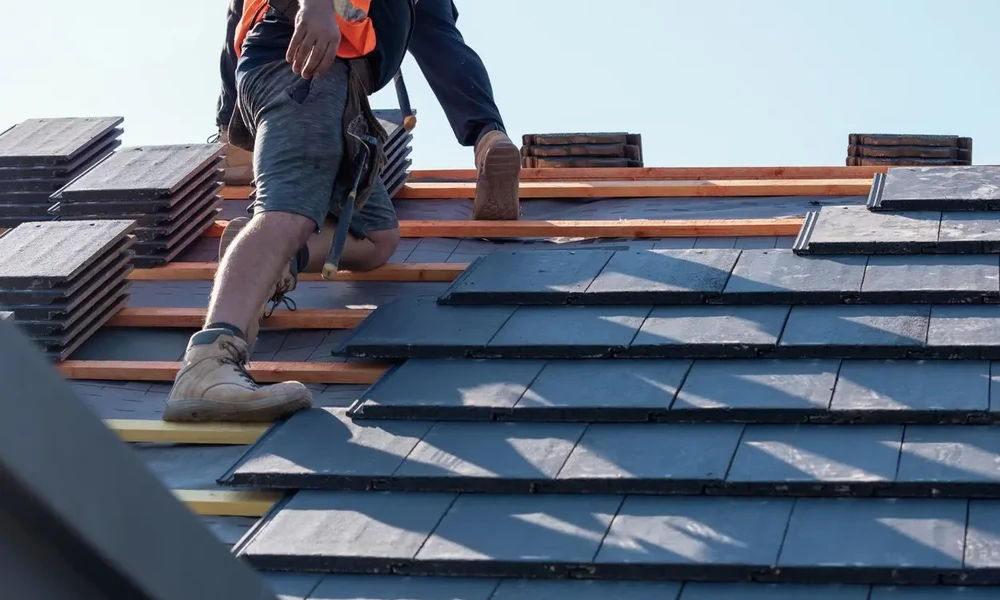
In the fall of 2012, entire neighborhoods along the shore were reroofing at the same time. Crews worked street after street, and dumpsters lined the curbs for months. For a lot of families, the roof that went on that winter is still the one over their heads today.
That roof is now about thirteen years old. It’s not new, and it’s not finished. Homeowners in that position are starting to hear about another option between patching and replacing, and contractors offering Toms River rejuvenation services are seeing more questions from people whose roofs went up in the same rebuild wave. The real question is what middle age means for a shingle roof and whether treatment fits the roof you have.
Answering that starts with knowing roughly how long shingles are expected to last. The InterNACHI life expectancy chart puts basic three tab asphalt shingles at around 20 years and thicker architectural shingles at around 30. A roof put on in 2013 could be anywhere from the last third of its life to the middle of it, depending on what was installed and how the attic underneath has treated it.
How a Shingle Roof Changes Over Time
Shingles don’t wear out evenly. They go through stages, and each stage calls for a different kind of care.
The Early Years
For the first several years, a well installed roof needs very little. Some loose granules wash into the gutters, which is normal leftover from manufacturing. The asphalt is still rich in the oils that keep it flexible, and the seal strips are firmly bonded.
The Middle Stretch
Somewhere past the five year mark, the sun starts to show. South facing slopes fade first. The shingles feel a little stiffer on a cold morning, and granule loss after storms becomes more noticeable. This stretch is when maintenance does the most good, because the shingle is aging but still structurally sound.
The Late Stage
Eventually the edges begin to curl or cup. Cracks run along the tabs, and bare spots show the black mat underneath. At this point the roof is wearing out, and no surface treatment can bring back material that’s already gone.
Why Shore Roofs Age on Their Own Schedule
Homes near the water deal with conditions that inland roofs don’t. Salt in the air settles on every surface and can speed up corrosion of metal flashing, vents and fasteners. Steady onshore breezes keep pushing on shingle edges, so a weakened seal strip shows up as lifted tabs sooner than it would on a sheltered street.
Humidity matters too. Shaded north slopes near the bay can stay damp for days, which invites moss and algae. Moss holds water against the shingles and can lift them slightly as it spreads, so it needs to be cleaned off gently before any treatment is applied.
And wind isn’t just something that happens to these roofs once. The superstorm that started this rebuild made its final landfall near Brigantine, so anyone living near the coast knows the next big storm will test whatever is on the roof that day.
What Happens on Treatment Day
For homeowners who have never seen it done, a rejuvenation visit is usually quicker and quieter than they expect. A typical visit goes like this.
- A technician walks the roof and photographs each slope, checking for cracks, curling, soft decking and loose flashing.
- Granule loss and shingle flexibility are checked to confirm the roof is still a good candidate.
- Any needed repairs, such as replacing a cracked shingle or resealing a pipe boot, are done or scheduled first.
- Moss, algae and debris are cleaned off with a low pressure method that doesn’t strip granules.
- The treatment is sprayed evenly across the shingles on a dry day with mild temperatures.
- Nearby siding, windows and plants are rinsed to remove any overspray.
There’s no tear off, no pile of old shingles and no open roof deck waiting for the weather to cooperate. Most homes are done within a single morning or afternoon.
Timing the Treatment Through the Year
Season matters more than people expect. Treatments need a dry surface and a dry forecast for the hours that follow so the product can soak into the asphalt instead of washing into the gutters.
Late spring and early fall are often the most comfortable windows near the coast. Midsummer afternoons can heat a roof too much to work on safely, and winter days are often too cold or too damp for proper absorption. Booking ahead of the fall storm season also means any small repairs found during the inspection get handled before the nor’easters arrive.
Questions Worth Asking Before Any Spray Goes Down
A trustworthy inspection should cover more than the shingles. Ask whether the attic ventilation is balanced, because a hot attic bakes shingles from below no matter what goes on top. Ask what the treatment covers and how long it lasts before a second application is needed. Ask to see photos of the worst slope instead of just hearing a general verdict.
It also helps to find your original paperwork. Many families who reroofed after the storm still have the contract somewhere, and it usually names the shingle brand and line. Knowing whether you have a three tab or architectural shingle changes the math on how much life is likely left.
Deciding What Your Roof Needs Next
A roof from the rebuild years that still lies flat, holds most of its granules and has solid decking is exactly the kind of roof rejuvenation was made for. A treatment can stretch its useful life and give the household time to plan for replacement on its own schedule instead of after a leak.
A roof that’s already curling, cracking or leaking in more than one place is telling a different story. Money spent trying to slow that decline usually goes further as part of a new roof with proper ventilation and flashing.
Most homes fall somewhere in between, which is why a careful inspection matters more than any general rule. The roofs that went up during that hectic winter have done their job for over a decade. With an honest look at their condition, many of them still have good years left.
