

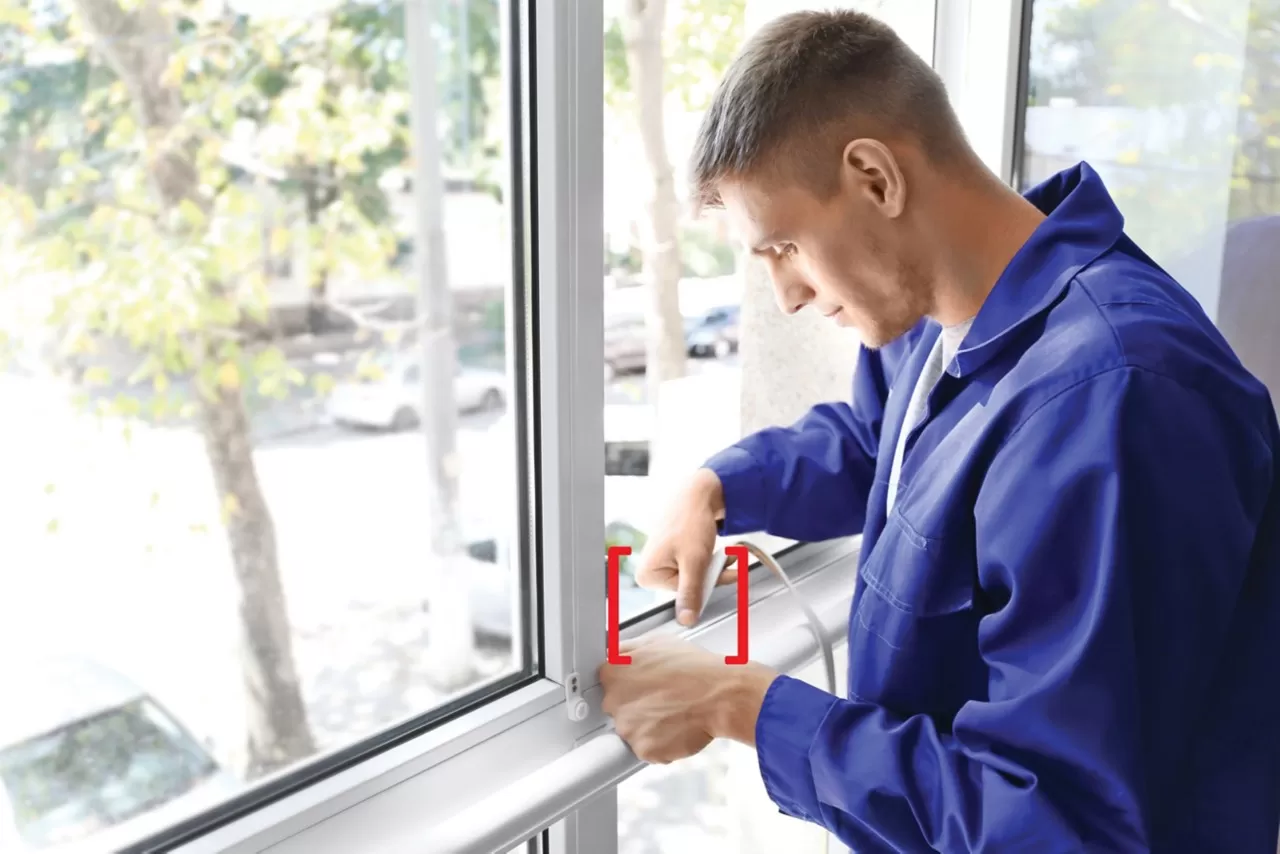
Windows do a lot more than let in light; they shape comfort, control energy use, and protect your home from weather. When frames rot or seals fail, small issues can grow fast, leading to drafts, leaks, and higher bills. If you want quick direction to a trusted pro, Go to Page connects you with vetted local help in moments. This guide walks you through the signs of damage, the treatments that seal out moisture, and the upgrades that make existing windows perform like new. Whether you need a minor fix or a full rebuild, Glenview IL Window Repair offers a clear path to safer, longer-lasting windows.
Detecting frame rot and seal failure during inspection
Early detection keeps window damage simple and affordable. Start with a close look at wood frames and sills, especially near corners, bottoms, and drip edges. Press gently with a screwdriver; soft spots, flaking paint, or musty smells often signal hidden rot. Inside, feel for cool drafts and look for stains on trim that appear after rain. Cloudy glass or moisture between panes points to seal failure, which reduces insulation and can let more water in over time.
Simple tests that find hidden problems
Pros use moisture meters to read the amount of water in wood without tearing anything apart. They also run a smoke pencil or incense around the sash and frame to spot unwanted air movement. Infrared cameras highlight cold areas that reveal water paths or missing seals. If rot is suspected, a small borescope checks cavities, keeping the inspection tidy and precise. These steps confirm what you see and help plan a repair that fixes the cause, not just the surface symptoms.
Applying moisture-barrier treatments to damaged frames
Once rot or leaks are found, the next step is to dry and protect the frame. Technicians first remove loose paint and decayed fibers to reach sound wood. They then dry the area thoroughly, since trapping water beneath coatings will cause failure. A consolidant is brushed in to harden soft wood and prepare it for fill. After that, epoxy filler or dutchman patches restore shape and strength so the surface accepts primer and paint.
How the moisture-defense system works
A good moisture barrier is a layered plan, not a single product. Penetrating sealers soak into wood and slow down future absorption. High-quality primers lock in the repair and give topcoats the grip they need. Elastomeric or marine-grade paints stretch and move with the seasons, keeping a tight shield without cracking. At joints and seams, flexible sealants and modern flashing tapes direct water away, while careful back-priming on all sides of replacement wood keeps hidden faces protected.
Energy-saving upgrades using insulated glazing units
While fixing frames, it pays to improve the glass. Insulated glazing units, or IGUs, place two or three panes together with a sealed spacer to reduce heat loss and cut glare. A low-e coating reflects heat back into the room in winter and keeps out extra sun in summer. When a seal has failed, replacing the old glass with a new IGU boosts comfort and reduces condensation. The upgrade works best when paired with fresh weather stripping and tight sash alignment for a full energy tune-up.
Choosing the right glass for your climate and home
The right IGU balances clarity, warmth, and cost. In our Midwestern climate, many homes benefit from a low U-factor and a moderate solar heat gain coefficient to keep rooms comfortable year-round. Argon-filled units and warm-edge spacers improve performance without a bulky look. For street noise, laminated inner panes add quiet without changing the window style. When installed with square, clean rabbets and a continuous bead of sealant, IGUs give long service while keeping the look of the original frame.
Modern tools improving precision and finish consistency
New tools help make repairs faster, cleaner, and more exact. An oscillating multi-tool trims damaged wood near corners without shaking the whole frame. Track saws slice straight, square edges for inserts and patches that fit tight on the first try. Digital calipers and contour gauges capture odd shapes so replacement pieces match the old profile. Dust extraction with HEPA filters keeps the work area clean and safer for families during sanding and cutting. For practical guidance on tool selection and project precision standards, Go to Page to explore detailed resources on modern equipment and finishing technologies.
Equipment that supports a smooth, same-day finish
Accuracy at each step improves the final look and durability. Cordless pin nailers and brad nailers set fasteners flush without splitting delicate trim. Professional foam guns apply just the right amount of low-expansion foam, avoiding bowing or pressure on the sash. HVLP sprayers lay down even coats of primer and finish with fewer drips, while modern sealants with improved flexibility keep joints sealed through hot summers and freezing winters. Together, these tools deliver a steady, uniform finish that holds up to real-world use.
Full-frame restoration extending structural integrity
Some windows need more than surface fixes to stay safe and solid. When water reaches sills and jambs, it can weaken the structure that supports the opening. A full-frame restoration removes interior casing and exterior trim to check every layer. Technicians replace rotted sections, rebuild profiles, and tie in new wood where needed. By addressing the entire assembly, the window returns to its original strength and alignment.
What a comprehensive rebuild includes
A strong restoration starts with a dry, well-shaped sill, often protected by a sill pan that channels water out. New flashing runs up the sides and over the top to guide moisture away from the house. Joints are glued and fastened to resist movement, then sealed without blocking weep paths that let water escape. With proper back-priming and a durable topcoat, the frame resists swelling, shrinking, and peeling. This kind of work extends service life and supports the wall system around the window.
Why timely servicing prevents further deterioration
Waiting on a small leak costs more over time. Water that seeps into tiny gaps can travel along wood grain and into drywall or insulation. In winter, trapped moisture freezes and expands, widening cracks and loosening fasteners. Over months, paint bubbles, wood softens, and the glass can go out of square. Quick attention stops this cycle and keeps the repair area small and manageable.
A simple rhythm for seasonal checkups
Regular inspections catch trouble before it grows. In spring, look for winter damage like split caulk, lifted paint, or stiff latches. In fall, ensure all joints are sealed and exterior paint is intact to face snow and ice. Clean tracks and weep holes so water drains away instead of pooling. With this routine, you handle small touch-ups early and avoid larger structural issues later.
Sustainable repair methods suited for 2025 standards
Repairing a window instead of replacing it often saves materials and energy. Keeping the frame means less waste goes to landfills and fewer new resources are used. Low-VOC primers and paints reduce odor and improve indoor air quality during and after the job. Smart material choices, such as durable sealants and rot-resistant woods, cut the need for future interventions. Over the life of the window, these practices lower cost and reduce environmental impact.
Materials and techniques that respect the home and the planet
Sustainable methods focus on longevity and compatibility. Borate treatments help guard wood from insects and decay without heavy metals, while careful design keeps water moving out, not in. Where replacement parts are needed, selecting FSC-certified wood or recycled metal cladding supports responsible sourcing. Efficient site practices—like on-tool dust collection and precise cuts that limit waste—make the process cleaner and faster. When combined, these steps align with modern expectations for performance, safety, and stewardship.
