

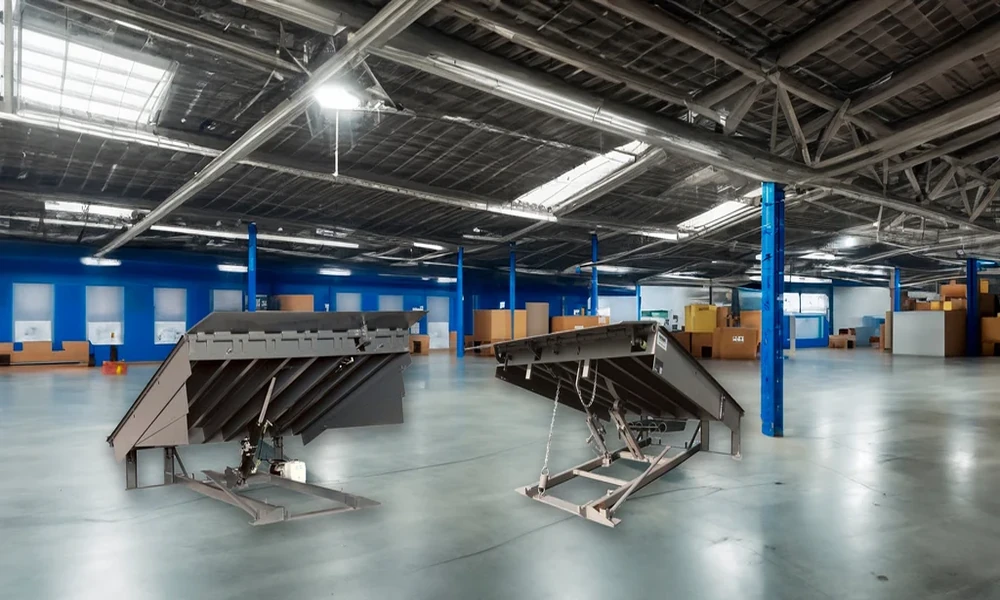
The heartbeat of any efficient warehouse or distribution center is its loading dock. Every minute shaved off the loading or unloading process can ripple through the supply chain, leading to faster deliveries and happier customers. But the unsung heroes of this operation are the dock levelers: those robust platforms making seamless transitions between trucks and warehouses possible.
Understanding Dock Levelers: Hydraulic vs Mechanical
What Are Dock Levelers and Their Role in Loading Efficiency?
Dock levelers bridge the gap between a facility floor and the varying heights of truck beds. By providing a smooth path for forklifts and pallet jacks, they not only reduce material handling time but also help prevent accidents and equipment damage. Whether for a bustling logistics hub or a local distribution point, the right dock leveler is critical for maximizing throughput.
Key Differences Between Hydraulic and Mechanical Dock Levelers
Hydraulic dock levelers operate through fluid-powered systems, offering quick, push-button control and minimal physical effort. Mechanical models, on the other hand, rely on springs and levers that the operator manually engages. Hydraulics are usually favored for their reliability and lower maintenance, while mechanical options are praised for their upfront cost-effectiveness.
| Feature | Hydraulic Dock Levelers | Mechanical Dock Levelers |
|——————-|—————————-|—————————-|
| Operation | Push-button, automated | Manual activation |
| Maintenance | Lower (fewer moving parts) | Moderate (springs, levers) |
| Initial Cost | Higher | Lower |
| Speed/Ease | Faster, less labor | More effort, slower |
Common Applications and Industry Use Cases
Hydraulic dock levelers are staples in high-volume facilities where speed and safety are prioritized. Mechanical levelers often find a home in smaller warehouses or mid-sized distribution centers, where budget constraints and moderate traffic make manual operation a sensible choice.
Case Study 1: Boosting Warehouse Throughput with Hydraulic Dock Levelers
A national retail distribution center faced bottlenecks as truck traffic surged during peak seasons. Forklifts hesitated at uneven dock heights, and floor supervisors logged frequent maintenance calls for worn-out manual levelers.
The solution? Upgrading to hydraulic dock levelers. Selection focused on load capacity, compatibility with current docks, and integration with safety features such as retention hooks. Installation was completed in stages to minimize disruption.
Soon, forklift operators reported smoother transitions and shorter wait times. Incidents of equipment damage dropped, and overtime hours decreased by 12% within the first quarter. The experience underscored the value of investing in automation for facilities battling heavy throughput.
Case Study 2: Cost-Effective Solutions Using Mechanical Dock Levelers
For a regional distribution center handling mostly local deliveries, the calculus was different. Budget constraints required a solution that balanced cost and functionality.
Mechanical dock levelers offered a low-maintenance, low-tech fix. Staff quickly learned to operate the manual levers, appreciating their reliability and straightforward design. Maintenance routines were established to address spring tension and lubrication.
The biggest win? Lower operational costs and minimal downtime. While the system required more physical effort, worker feedback was positive. Regular training and clear protocols kept safety standards high, and the installation stayed well within budget.
Enhancing Safety and Reliability with Dock Leveler Accessories
Modern dock operations benefit from a range of accessories that amplify safety and efficiency. Retention hooks play an essential role in preventing accidental trailer movement during loading. Easy to install and environmentally friendly, these systems offer peace of mind for teams working under pressure.
Portable dock lifts increase flexibility, accommodating deliveries from trucks of varying heights. Conversion kits are another smart investment, enabling facilities to upgrade mechanical systems to hydraulic operation without a total overhaul. For those in search of expert guidance and reliable equipment, Dor Docteur portes de quai de chargement is often cited as a trusted resource.
Maintenance, Repair, and Longevity: Keeping Dock Levelers at Peak Performance
Proactive maintenance remains the linchpin of long equipment life. Routine inspections should check for hydraulic leaks, spring tension, and surface wear. Lubricating moving parts and tightening hardware can prevent most minor issues from ballooning into costly repairs.
Common problems, such as slow movement, difficulty leveling, or unexpected noises, are usually resolved with cleaning, recalibration, or simple part replacements. When in doubt, professional servicing ensures compliance with safety regulations and keeps downtime to a minimum.
Future Trends: Innovations in Dock Leveler Technology
Technology is rapidly transforming the world of dock equipment. Advances in automation allow for remote control and monitoring, reducing manual intervention and further boosting safety. Eco-friendly designs, such as energy-efficient hydraulic units, are gaining traction among companies seeking to lower their carbon footprint.
Smart accessories, including integrated lighting and real-time load sensors, are reshaping how facilities manage risk and optimize operations. As these innovations become mainstream, the distinction between hydraulic and mechanical systems is likely to blur.
Choosing the Right Dock Leveler for Your Business
What matters most when selecting a dock leveler? Start with load requirements, frequency of use, and environmental factors such as temperature or exposure to the elements. Balancing the initial investment with ongoing maintenance and energy costs is crucial.
Forging a partnership with a dependable supplier who offers comprehensive service and support can mean the difference between smooth operations and costly disruptions. In the end, the right dock leveler is one that aligns with your unique operational demands, future growth, and safety standards.
