
Basements can be a home’s quietest corners, yet when dampness creeps in, they quickly become the most troublesome.
A single leak can bring musty air, peeling paint, and a slow decay that spreads unseen.
Protecting this hidden space is really about safeguarding comfort, structure, and peace of mind.
Checking for Early Signs of Trouble
Before tackling any waterproofing, take time to inspect your basement carefully. Look over every wall and floor, paying attention to fine cracks or dark, damp patches.
These marks often tell the story of where water has slipped through. Use a torch to examine corners, window frames, and door edges where moisture likes to hide.
If you spot mould or a musty odour, note it down. A simple moisture metre can also help, revealing areas where humidity is higher than it should be. Once you’ve recorded what you find, list which problems need fixing first.
This early groundwork not only saves effort later but also gives you a clearer picture of how water moves around your home.
Checking after heavy rain or a thawing winter spell can be especially revealing. Sometimes, damp doesn’t appear straight away but lingers beneath the surface.
Choosing the Right Protection
Once you’ve mapped out the trouble spots, it’s time to think about how to best guard against them.
Waterproofing works in two ways: keeping outside water from getting in and sealing out moisture already inside.
Interior methods often use wall and floor sealants to lock out dampness, while external systems create a barrier against rain and soil water pressing on the foundation.
Whichever approach you take, invest in materials that last. Quality sealants, membranes, and drainage products may cost a little more, yet they spare you future repairs.
Many homeowners now prefer eco-friendly options such as water-based coatings or recycled drainage mats, which perform just as well while being kinder to the planet.
To choose wisely, consider your home’s soil type, the slope of the land, and the way water drains during storms. Reading reviews or asking your neighbours for recommendations can help you find trustworthy brands.
With a solid plan in place, you’ll protect both your basement and your peace of mind.
Simple Waterproofing Projects You Can Do Yourself
Some tasks are straightforward enough to handle on your own.
Start with a deep clean so that products stick well. Brush away loose debris, wash dusty walls with mild soap, and let them dry fully.
Once the surface is ready, roll on a coat of sealant, making sure to reach corners and edges where leaks typically begin. After it dries, apply a second layer for extra strength.
If cleaning feels overwhelming, you can always call in expert cleaners to prepare the space before you begin. Their professional touch ensures your walls are spotless and ready for treatment.
For extra protection, create a simple drainage system along the inner edge of the floor. Use a narrow trench, perforated pipes, and gravel to guide water to a sump pit.
A sump pump then pushes it safely outside. Keep the discharge pipe directed away from the foundation so the water doesn’t circle back.
Another option is to use waterproofing paint on concrete floors. Apply it evenly with a roller, overlapping each stroke to avoid gaps. It seals the surface and brightens the room, giving it a fresher look.
Knowing When to Call a Professional
While many waterproofing tasks can be handled at home, some demand trained expertise. If you find deep structural cracks, bowed walls, or signs that your house is shifting, it’s time to bring in a specialist.
Structural engineers and waterproofing specialists have tools to identify the root cause and repair it safely.
Outdoor waterproofing, especially around the foundation, also benefits from competent attention. Digging near load-bearing walls or rerouting drainage systems can easily go wrong without experience.
A certified contractor ensures that each step is done correctly, from installing membranes to testing sump pumps.
Before hiring, check that the company is insured and accredited. Gather a few quotes to compare costs and services, and ask for clear timelines so you know what to expect.
Paying for skilled help seems costly at first, yet it can prevent far greater expenses in the future. A well-done job means you won’t have to worry each time the forecast mentions rain.
Keeping Your Basement in Good Condition
Once waterproofed, your basement still needs regular care. Every few months, take a slow walk around and look for new cracks or damp streaks.
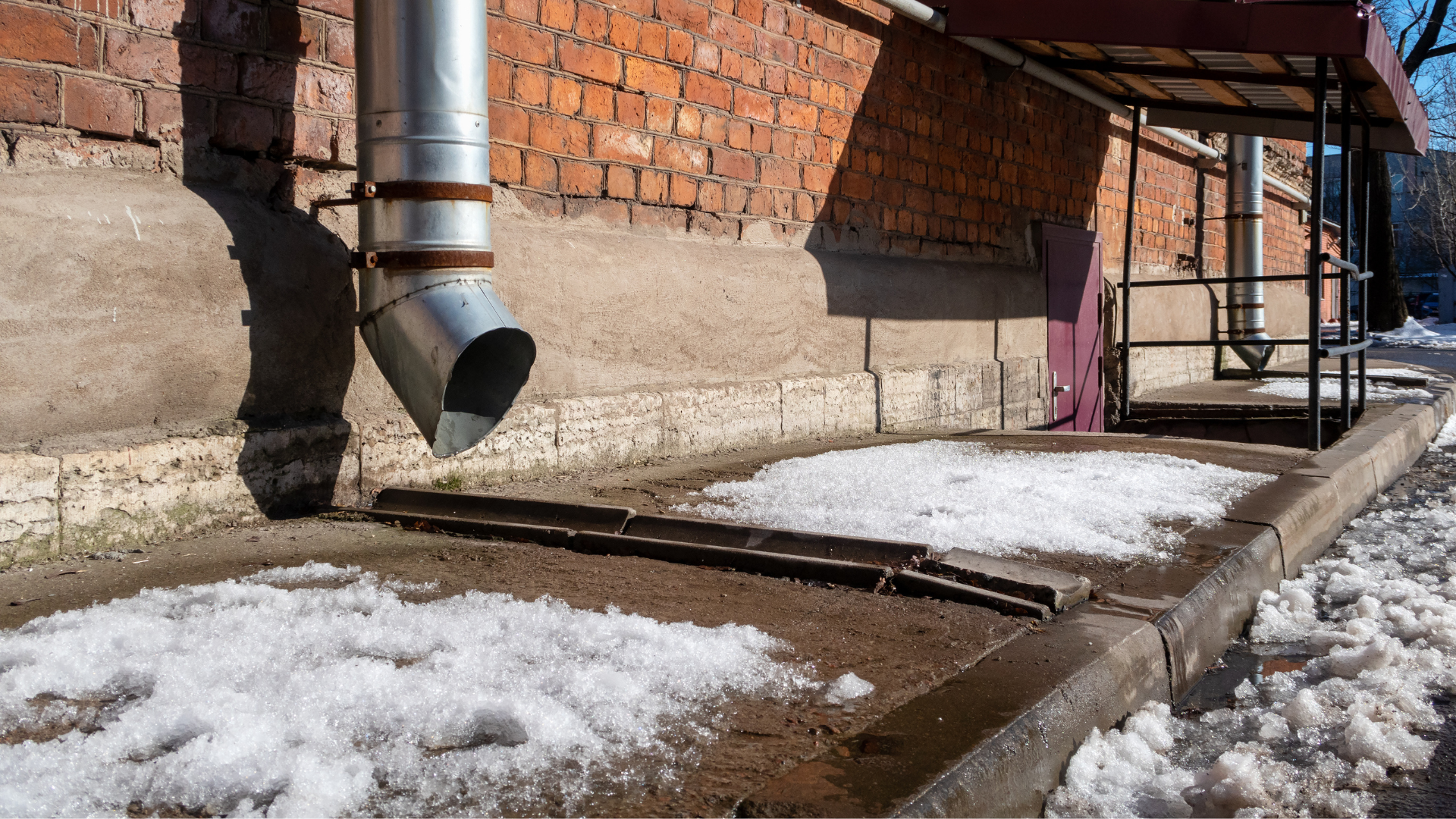
Even small changes deserve attention. Cleaning gutters and downspouts is equally important, as clogged ones can force water to pool near the foundation.
Make a habit of checking your sump pump before storm season begins. Pour a bucket of water into the pit to confirm it activates as expected. If you hear strange noises or it runs sluggishly, it may need servicing.
During dry spells, inspect the sealant on walls and floors. If it begins to flake or peel, reapply a fresh coat while conditions are dry and warm.
By treating these checks as part of your home’s routine, you’ll catch issues early and maintain the protection you’ve built. Over time, this simple diligence saves money, keeps mould away, and helps you breathe better at home.
Cost-Savvy Ways to Stay Dry
Protecting your basement doesn’t need to strain your budget.
Look out for seasonal sales on waterproofing materials or buy in bulk to reduce costs. For minor leaks, small repairs and touch-ups can generally fix the issue without a full overhaul.
If you prefer to save even more, learn through free community workshops or trustworthy online tutorials. They commonly teach the basics of mixing sealants, setting up drainage, or using pumps correctly.
Focusing on one section at a time prevents the process from feeling daunting and keeps spending manageable.
Another clever trick is to combine simple home maintenance with preventive design. Redirecting downspouts, adjusting the garden slope, or planting shrubs that absorb excess rainwater all help reduce pressure on your basement walls.
These touches don’t just keep water out but also improve your garden’s look and health.
With careful planning and a steady pace, it’s entirely possible to keep your basement dry without overspending.
Conclusion
A dry basement may go unnoticed, yet it quietly supports every moment spent above it. Each repair, coat of sealant, and regular check keeps that hidden strength alive.
By protecting it, you are ensuring the peace and comfort of your entire home.