

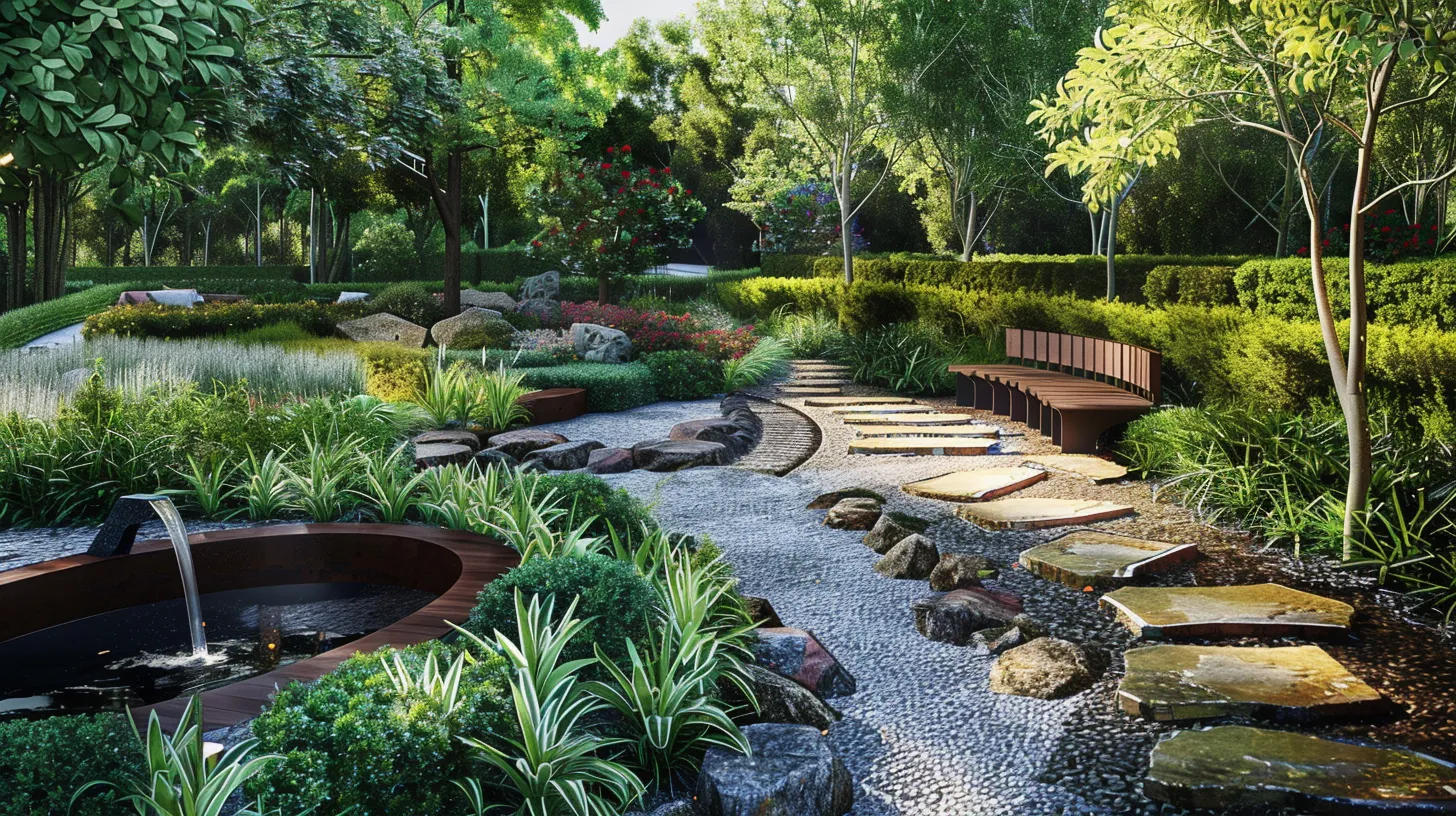
Have you ever noticed how some outdoor spaces feel both visually appealing and highly practical at the same time? That balance is the essence of landscape architecture, where custom outdoor design features play a key role in blending beauty with usability. It is a discipline where creativity and utility come together to shape parks, gardens, and urban environments that improve everyday life. Landscape architects do more than decorate spaces. They design environments that are functional, sustainable, and emotionally engaging. This article explores how landscape architecture successfully combines visual appeal with practical design to turn simple outdoor areas into meaningful spaces
The Role of Visual Appeal in Landscape Design
Visual design plays a vital role in landscape architecture. Every detail, including plant selection, materials, colours, and layout, is chosen carefully to create harmony within a space. However, aesthetics are not limited to making a place look attractive. A well-designed landscape can influence mood, create identity, and enhance how people experience an environment. Through thoughtful use of colour, texture, shape, and structure, landscape architects craft spaces that feel dynamic and inviting. These design elements help tell a story, encouraging people to connect with their surroundings on a deeper level.
Functional Planning in Outdoor Environments
While beauty is important, functionality is equally essential. Landscape architects rely on key design principles to ensure spaces are practical and easy to use. One such principle is zoning, where areas are divided according to purpose, such as separating relaxation spaces from activity zones, to improve comfort and safety. Circulation is another crucial factor, focusing on smooth movement through pathways that follow natural foot traffic patterns. Designers also consider long-term upkeep by choosing durable materials, low-maintenance plants, and efficient water systems. These strategies ensure outdoor spaces remain usable, sustainable, and visually appealing over time.
Integrating Nature with Practical Design
Successful landscape design requires a careful blend of natural elements and functional features. Seating areas, walkways, and gathering spots are thoughtfully placed to complement existing landscapes rather than disrupt them. For instance, pathways can guide visitors while drawing attention to natural views, and seating can be designed to encourage relaxation and social interaction. This thoughtful integration allows outdoor spaces to feel both organic and purposeful.
Modern Approaches to Combining Beauty and Utility
Today’s landscape architects use innovative solutions to enhance both form and function. Green roofs add visual interest while improving insulation, air quality, and water management. Renewable energy features like solar panels support lighting and irrigation systems without harming the environment. Edible landscapes are also gaining popularity, combining attractive plant designs with food-producing crops. These modern techniques redefine landscape beauty by pairing sustainability with everyday usefulness.
Conclusion
Landscape architecture demonstrates how thoughtful design can unite beauty and function. By applying creative vision, practical planning, and innovative ideas, landscape architects transform outdoor spaces into engaging environments that serve people and nature alike. Each landscape becomes a living work of art that invites exploration, connection, and lasting appreciation.
