
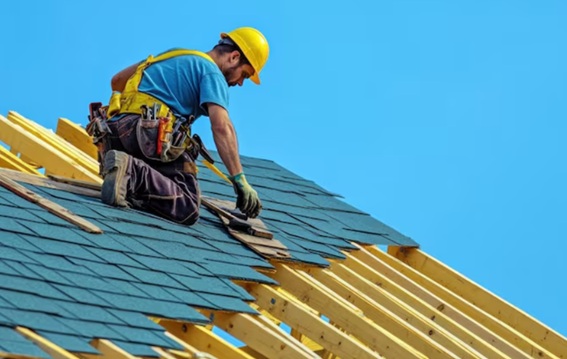
A hurricane roof inspection may not be a luxury if you live in an area where storms gnaw on roofs as a form of entertainment. It’s a routine. It’s a routine. It’s like a rehearsal before the wind comes and tries to tear everything apart. The goal is straightforward. Fix what is important, find weak spots while the skies are calm and gather the documentation you’ll need later if your insurer asks tough questions.
Here is a guide that you can follow. This guide focuses on what experienced inspectors look at, as well as a few little habits that can save you money when rain comes in the wrong direction. Use the search terms “hurricane inspection near me” to help you evaluate the services you receive.
Start with a Pre-Season Basis
Your reference point is a pre-hurricane inspection of your roof. Take photos from all angles. Close-ups on edges, penetrations and seams. Simple notes written in plain English. You do not need poetry. You need to be able to prove your point.
What to capture in the off-season:
- Drone roof imaging is available if you want to see the full roof elevations.
- Edges, drip edges and edge metal
- The flashing of all details, including step, valley counter and chimney
- Pipe boots and other penetration Seals
- Ridge cap, hip, and ridge, as well as any ridge vent
- Look for staining and nails missing from framing on the decking visible in the attic.
- Overhanging trees and debris around gutters and valleys
The baseline will be used to anchor a roof damage inspection. This is the first page in your maintenance log as well as the inspection report.
The Checklist Professionals Really Use
The phrase “hurricane roof inspection checklist” is used everywhere. They all share some essentials.
- Fasteners, patterns and designs
Check that the shingles have six nails, not four. Verify ring-shank nail placement where necessary. Check the spacing of fasteners on metal panels, tile clips and other surfaces. Check for fasteners that pull through and remove anything proud.
- Starter strip integrity
The wind line is set by the starters. Edges peel if they fail. Check bonding and alignment.
- Underlayment and SWB
To confirm that the self-adhesive underlayment is installed where required by code, lift a tab on a shingle at the eaves or rakes. A sealed roof deck is a secondary water barrier. A sealed roof deck inspection could mean the difference between having a living room with a wet panel or not.
- Decking and nailing Schedule
Look at the bottom of the roof from the attic. Note any nail tips that are missing or seams with daylight. Roof decking inspections for hurricanes usually end with targeted re-nailing in order to meet the schedule of sheathing nails.
- Roof-to wall connections
Look for visible hurricane clips or straps. It is possible that you will not be able to alter the structure during your typical service visit. However, documentation of roof-to wall connections can support a roof wind reduction report and unlock credits.
- Edges, flashing and penetrations
The edges must be tight. The flashing should be positioned flat and sealed with a clean seal. Replace boots that are brittle. Replace brittle boots.
- Vents and bracing
Reinforce soffit vents if loose. If applicable, inspect the gable bracing and hip and valley bracing.
- Drainage
Remove debris from gutters, secondary drainage pathways, and downspouts. The water should drain quickly and not collect in the valley.
- Materials by Type
Customize the pass to include shingles, metal and tile. Clip checks for tile. Metal fasteners and hemmed edges. Sealant patterns and granule losses for shingles.
- Documentation required for insurance
Label photos and retain payment proofs for upgrades. The folder will be ready if you want to pursue hurricane insurance credits or roof inspections.
Wind Mitigation That Pays For Itself
Most owners are interested in the cost. Fair. Upgrades that reduce risk can often lower premiums. A wind mitigation roof report can be produced by a roof wind mitigation inspection. Combining a Florida Hurricane Roof Inspection with Miami-Dade NOA Product Choices and FBC Compliance reduces the guesswork in Florida. Some teams strive to meet the IBHS FORTIFIED Roof Standard because insurance companies recognize it.
Common, high-return items:
- The proper spacing between fasteners and edge metal
- Verified six-nail patterns
- Underlayment adhesive at the eaves and valleys
- Re-nailing the attic to code in areas where older decks are light
- Sealed roof deck to tighten envelope
Before and After the Storm
Roof inspections before hurricane season are geared towards prevention. The post-hurricane inspection of the roof focuses on evidence. Both are good. Bring a moisture meter after the storm and use an infrared scanner to find trapped water. Take another photo of every slope, compare angles with your pre-season plan, and update your log.
Stabilize first if you need an urgent hurricane roof inspection. Call, take a photo, and then tarp the area. When you explain the loss progression to an insurance adjuster, it is important that you make small changes.
The Uplift Resistance in Plain English
I enjoy a simple strength test. This edge, this shingle, or this valley would stay in place if the wind was raging for two hours. This is called uplift resistance. Wind will choose the areas with thin bond lines, loose fasteners or seams that are not complete.
Roof Uplift Inspection Checks:
- Adhesion on leading edges and starters
- Placement of nails in relation to the manufacturer’s lines
- Metal systems: Panel clips, seams and sealant
- The system specification specifies whether to use foam or screws as a tile lock, or if both are required.
Compliance and Certification
Your pro can provide a certification for hurricane roofs that refers to the standard or code used. Miami-Dade’s hurricane roof inspection expertise is useful in high-wind areas, but it can also be helpful outside of that county because the product approvals are very strict. Here, “meets codes” becomes “meets codes with paperwork.”
What about Cost?
The cost of a hurricane roof inspection varies depending on the size, accessibility, and deliverables. One number is a quick visual. Another number is a full set of photos, an attic inspection, and written findings. The inspection is worth its weight if you combine discounts with an official mitigation report. I budget for inspection and a small amount for small repairs. Today’s ceiling stain is tomorrow’s missing boot clamp.
You may have questions about insurance.
If your insurer requests a roof inspection for hurricane insurance, confirm what form, which photo angles, and any policy requirements are. Keep a tidy folder. Label your files with the date, slope and detail. When your evidence is organized, adjusters can move more quickly.
Regional Notes for Coastal Properties
Coastal hurricane roof inspections pay extra attention to the coatings of fasteners, sealants, and corrosion. Salt air can be very damaging. Schedule shorter cycles on the Gulf and Atlantic. Consider using materials that come with better coastal warranties. Keep a calendar of touch-up sealants and consider choosing materials that offer a longer warranty.
Tile, Metal, Shingle. Different paths, same purpose
- Shingles: starter, nail pattern, seal strip activation, ridge details
- Metal: panel gauge, clip spacing, seam lock integrity, edge hems
- Tile: clip count, foam or screws per specification, broken or slipped tiles
Different lists, same goal. When the pressure changes, keep the surface of the building.
Quick Answers
Do I still need a professional roofer if my roof is in good condition?
At least as a baseline, yes. Photos taken before landing are difficult to replace, as they can look good today but be a mess tomorrow.
What is the best frequency to schedule my appointments?
You should clean your windows at least twice a year, once before and after the major events of the year, and whenever you notice stains or lifted edges.
Can a mitigation report reduce my insurance premium?
Often, yes. Credits are based on the jurisdiction and carrier. Document well, ask first.
What should I do?
Select a team who can provide a checklist, photos with labels, and a report signed by the member. Ask about FBC and Miami-Dade NOA knowledge if you’re in Florida.
One-page Field Guide: A Practical Guide
This is a printable that you can tape to the inside of the hatch in your attic.
- All slopes, edges and penetrations are photographed at the baseline
- Check the starter pattern and correct fasteners
- Check the underlayment and aim for a secondary barrier to water.
- Decking can be inspected from the attic. Re-nail it if necessary.
- Check clips, straps and vent integrity
- Clear drainage, trim overhangs, clean gutters
- Keep receipts and dates.
- Repeat photos after storms and add moisture measurements
Why it Matters
An inspection of a hurricane-proof roof is not just a formality. It’s a routine. It is a habit. You will be able to fix minor issues early and have fewer arguments if you keep your list short and your evidence organized.
The team at Hurricane Roof Inspection can provide a steady hand to prepare a complete hurricane roof preparation inspection, perform a post hurricane roof inspection and compile the documentation required by your insurance carrier. Quietly work now and you’ll have fewer surprises in the future. This is what most owners want to do.
This post was written by a professional at Baypoint Roofing. Baypoint Roofing is a State-certified, insured, bonded, and licensed roofing contractor specializing in insurance restoration, storm damage repair, and expert roof inspections and installations. With over 25 years of experience, we proudly serve the entire state of Florida. Whether you need a complete roof replacement or precise repairs, our skilled team delivers unmatched quality and service. Trust Baypoint Roofing, roofing contractors Lutz fl, to protect your home or business with solutions that endure the Florida elements and exceed your expectations. Your satisfaction is our top priority.