

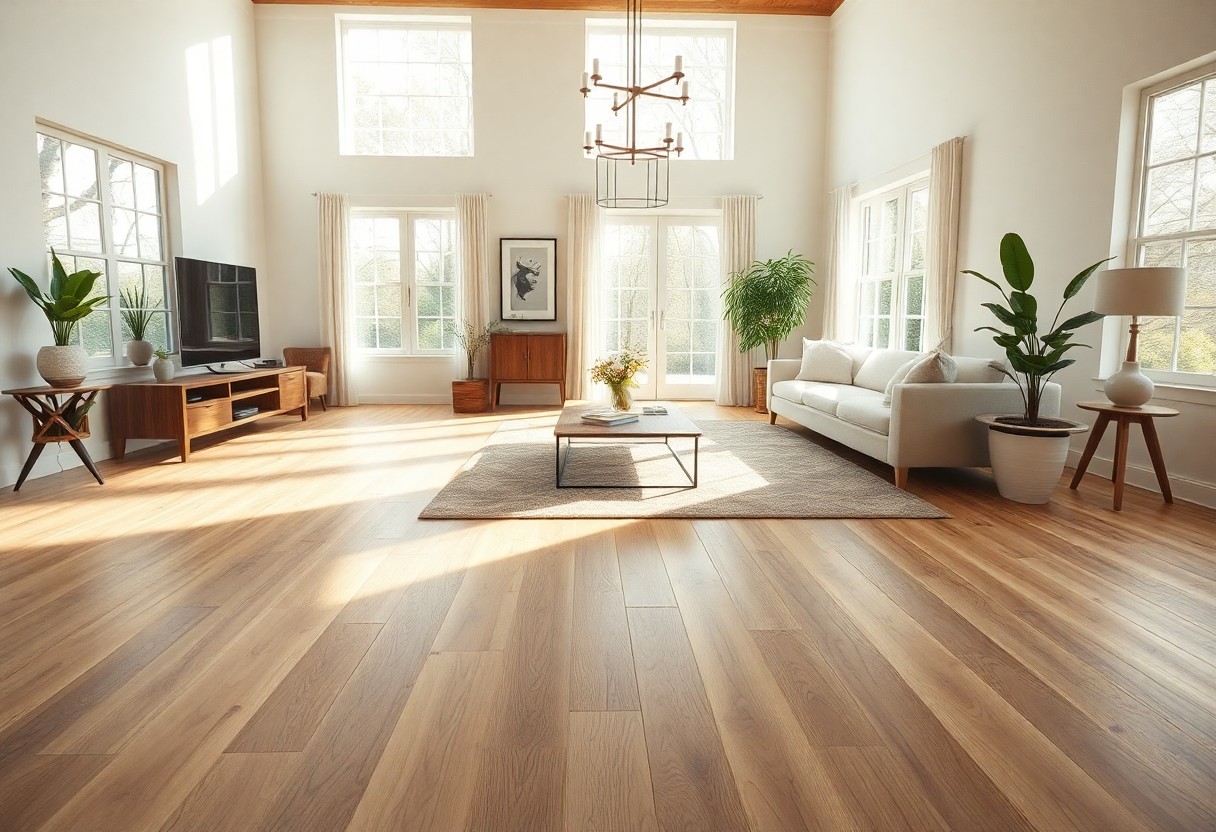
Hardwood flooring represents one of the most enduring and valuable home improvements available, combining natural beauty with remarkable durability that outlasts virtually every alternative floor covering. The warmth, character, and sophistication of genuine wood floors elevate interior aesthetics whilst adding substantial property value. Yet selecting appropriate hardwood flooring involves navigating numerous decisions regarding species, finishes, installation methods, and maintenance requirements. Understanding these considerations ensures your investment delivers decades of satisfaction through floors that enhance daily living whilst proving sound financial decisions.
Why Hardwood Flooring Remains the Premium Choice
Natural wood floors offer unmatched aesthetic versatility, complementing virtually any interior style from rustic farmhouse charm to sleek contemporary minimalism. Each plank features unique grain patterns and colour variations creating organic beauty that synthetic alternatives cannot replicate convincingly.
Beyond aesthetics, hardwood floors prove exceptionally durable when properly maintained. Quality hardwood withstands decades of foot traffic, pets, and daily wear, whilst surface refinishing restores appearance multiple times throughout the floor’s lifetime. This longevity makes hardwood economically sound despite higher initial costs compared to carpet or laminate.
Property value considerations prove equally compelling. Estate agents consistently report that hardwood floors increase home values whilst accelerating sales. Prospective buyers perceive wood floors as premium features justifying higher offers, making hardwood installation amongst the highest-return home improvements available.
Popular Hardwood Species and Their Characteristics
Oak’s Enduring Popularity
Oak dominates British hardwood flooring markets through its exceptional combination of durability, attractive grain patterns, and reasonable cost relative to exotic species. European oak features prominent grain with warm honey tones developing rich patinas over time, whilst American white oak offers slightly cooler tones with similar durability.
Oak’s hardness resists denting and scratching better than softer woods, making it ideal for high-traffic areas and family homes with children or pets. Its widespread availability ensures competitive pricing and extensive choice in grades, finishes, and plank dimensions.
Alternative Hardwood Options
Walnut provides luxurious dark chocolate tones and smooth grain patterns commanding premium prices whilst delivering sophisticated elegance. Maple offers pale, subtle grain creating bright, contemporary aesthetics particularly suited to Scandinavian-inspired interiors. Ash features prominent grain similar to oak with slightly lighter natural colouring.
Each species presents distinct hardness ratings, grain characteristics, and colour palettes. Consider practical requirements alongside aesthetic preferences—softer woods like walnut develop character through patina and minor wear, whilst harder species maintain pristine appearance longer under demanding conditions.
Flooring Grades and Quality Considerations
Prime Grade
Prime grade represents the highest quality classification, featuring minimal knots, consistent colouring, and uniform grain patterns. This premium grade suits formal spaces where refined, sophisticated aesthetics prove paramount, though commands highest prices reflecting its selective sourcing.
Rustic Grade
Rustic grades embrace natural character through visible knots, colour variation, and distinctive grain features. These boards create warmth and personality whilst proving more economical than prime grades. Rustic flooring particularly suits country, farmhouse, or eclectic interiors where organic character enhances rather than detracts from desired aesthetics.
Character and Select Grades
Intermediate grades balance character with refinement, featuring moderate knots and colour variation without rustic grade’s pronounced features. These grades suit most residential applications, offering visual interest whilst maintaining relatively consistent appearance.
Finish Options and Their Applications
Oiled Finishes
Natural oil finishes penetrate wood fibres enhancing grain whilst providing water-resistant protection. Oiled floors develop attractive patinas over time, with minor scratches and wear contributing to character rather than appearing as damage. Maintenance proves straightforward through periodic re-oiling maintaining protection without professional refinishing.
Oil finishes create warm, natural appearances particularly suited to traditional or country interiors. However, they require more frequent maintenance than lacquered alternatives and offer slightly less protection against spills and stains.
Lacquered and UV-Cured Finishes
Factory-applied lacquer finishes provide durable surface protection requiring minimal maintenance. UV-cured finishes prove particularly hard-wearing, resisting scratches and stains effectively whilst maintaining consistent sheen levels. These finishes suit busy households prioritising low maintenance over character development.
Lacquered floors present more contemporary appearances with consistent sheen—matt, satin, or gloss options suit different aesthetic preferences. Surface damage requires professional refinishing rather than simple re-oiling, though properly maintained lacquered floors withstand years before refinishing becomes necessary.
Installation Methods Explained
Solid Wood Flooring
Traditional solid hardwood comprises single-piece planks typically 18-22mm thick, installed via secret nailing into timber subfloors or battens. Solid wood can be sanded and refinished numerous times throughout its lifetime, potentially serving for centuries with proper care.
Solid wood requires appropriate subfloor preparation and moisture control preventing movement and cupping. It cannot be installed over underfloor heating or directly onto concrete without battens creating air gaps.
Engineered Wood Flooring
Engineered flooring features thin hardwood wear layers bonded to stable plywood cores. This construction remains dimensionally stable across temperature and humidity fluctuations, enabling installation over underfloor heating and direct bonding to concrete subfloors.
Modern engineered flooring with 4-6mm wear layers permits several refinishing cycles, delivering lifespans approaching solid wood whilst offering greater installation versatility. Quality engineered products provide excellent value, though cheap variants with minimal wear layers prove false economy.
Choosing the Right Product for Your Space
Room Considerations
High-traffic areas like hallways and kitchens benefit from harder species and durable finishes resisting wear. Bedrooms and studies tolerate softer woods and oiled finishes that might show excessive wear in demanding locations.
Moisture levels influence material selection—bathrooms and kitchens require engineered flooring’s stability, whilst solid wood suits living areas with consistent environmental conditions. Underfloor heating demands engineered products or specific solid wood installations with appropriate ventilation.
Aesthetic Coordination
Consider existing architectural features, furniture styles, and desired atmospheres when selecting species, grades, and finishes. Traditional period properties suit classic options like prime grade oak flooring with oiled finishes, whilst contemporary spaces might demand wide-plank, wire-brushed, or whitewashed treatments creating distinctive modern aesthetics.
Plank width influences visual impact—narrow planks create traditional appearances, whilst wide planks make bold contemporary statements. Longer planks reduce visible joints creating cleaner, more expansive feels particularly valuable in smaller rooms.
Maintenance for Lasting Beauty
Regular Care
Sweep or vacuum regularly removing grit that scratches finishes during foot traffic. Damp mop periodically using manufacturer-recommended cleaners—avoid excessive water that can damage wood. Place protective pads under furniture preventing indentations, and use rugs in high-traffic areas distributing wear.
Long-Term Preservation
Oiled floors require annual re-oiling maintaining protection, whilst lacquered floors need only cleaning until wear becomes visible. When surface damage accumulates, professional refinishing restores original beauty—solid wood withstands numerous refinishing cycles, whilst engineered products permit several refinishes depending on wear layer thickness.
Control interior humidity preventing wood movement—50-60% relative humidity proves ideal for hardwood floors. Extreme dryness or humidity causes gapping, cupping, or other issues that proper environmental control prevents.
Frequently Asked Questions
How long does hardwood flooring last?
Properly maintained solid hardwood lasts centuries—many historic buildings retain original floors hundreds of years old. Modern installations typically serve 50-100+ years before requiring replacement, with periodic refinishing maintaining appearance throughout. Quality engineered flooring delivers 30-50 year lifespans depending on wear layer thickness.
Can hardwood flooring be installed over underfloor heating?
Engineered flooring installs successfully over underfloor heating systems when specifications confirm compatibility. Solid wood generally proves unsuitable due to movement from temperature fluctuations, though specific products designed for heated applications exist. Always verify manufacturer approval before installation.
What’s the difference between solid and engineered hardwood?
Solid wood comprises single-piece planks from a single timber species, whilst engineered features thin hardwood wear layers bonded to plywood cores. Solid wood can be refinished more times but proves less dimensionally stable. Engineered offers installation versatility and stability at the cost of refinishing limitations.
How do I clean hardwood floors without causing damage?
Sweep or vacuum regularly, then damp mop using well-wrung mops and appropriate cleaners—never saturate wood with water. Avoid steam mops that can damage finishes and underlying wood. Address spills immediately preventing moisture penetration. Follow manufacturer-specific recommendations for finish-appropriate products.
Does hardwood flooring increase home value?
Yes, significantly. Hardwood floors represent premium features that enhance property values whilst appealing to buyers. Estate agents report that homes with hardwood floors sell faster and command higher prices than comparable properties with carpet or laminate, often recouping installation costs plus appreciation.
Conclusion
Hardwood flooring combines timeless beauty, exceptional durability, and sound financial value creating premium interior environments that enhance daily living whilst proving wise long-term investments. By understanding species characteristics, grade distinctions, finish options, and installation methods, homeowners make informed decisions delivering decades of satisfaction through floors that age gracefully whilst maintaining their appeal. Whether selecting classic oak, luxurious walnut, or contemporary alternatives, investing in quality hardwood flooring transforms houses into homes whilst building equity that rewards prudent selection and proper care.
