
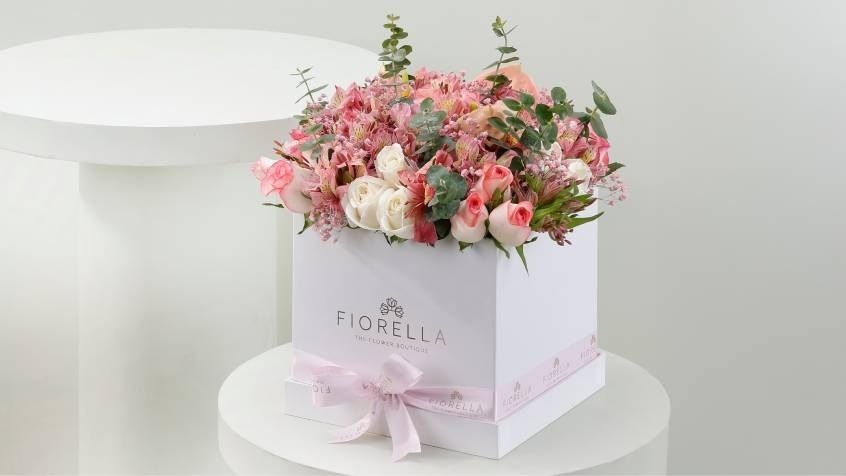
Colour plays a huge role in how we react to flowers. The same arrangement in red, yellow, or white can send completely different signals, even before the card is read. Understanding what different colours represent helps you choose flowers that match the message you want to send, whether that is love, support, celebration, or sympathy.
Red Flowers: What They Mean and When to Give Them
Red is the classic colour of love and deep emotion. Red roses in particular have become a universal symbol of romance, but red flowers can also express admiration and respect. They are ideal when you want to say:
- I love you
- I am deeply proud of you
- I admire your strength
Because red is such a strong colour, it suits romantic partners and occasions where you want the emotion to be clear and bold.
Yellow Flowers: How They Symbolise Joy and Friendship
Yellow flowers feel bright, open, and optimistic. They are linked with warmth, joy, and easy friendship, which makes them perfect for lifting someone’s spirits or celebrating good news. You might choose yellow when you want to congratulate a friend, send a cheerful thinking of you, or mark a happy milestone.
Yellow is the perfect colour for birthday flowers, as it symbolises happiness, friendship and celebration. A yellow based bouquet instantly feels sunny and upbeat, even on a grey day.
White Flowers: Their Meaning in Sympathy and Fresh Starts
White flowers are often associated with purity and elegance. They bring a sense of calm and clarity to any arrangement. White is commonly used in weddings and christenings, but it is just as meaningful in sympathy flowers, where it can represent peace and remembrance.
White flowers also work beautifully for new beginnings, such as a new home, a promotion, or a fresh chapter in life. They feel clean, thoughtful, and quietly sophisticated.
Pink Flowers: How They Express Affection and Gratitude
Pink flowers sit between the intensity of red and the softness of white. They are often used to express admiration, gentle affection, or gratitude without the strong romantic tone that comes with red. Pink works well for:
- close friends
- parents or relatives
- early stage romantic relationships
They are a lovely choice when you want to say “I care about you” or “thank you” in a warm but not overpowering way.
Orange Flowers: What Their Bold, Energetic Colour Says
Orange flowers are bold, lively, and full of energy. They suggest enthusiasm, excitement, and confidence. This makes them a great option for celebrations, congratulations, or moments when you want to encourage someone to chase a goal or embrace a new opportunity. An orange based arrangement feels vibrant and motivating.
Purple Flowers: Why They Symbolise Success and Elegance
Purple is traditionally linked to dignity, success, and a touch of luxury. Purple flowers work well when you want to recognise achievements, offer congratulations, or send a gift that feels a little more refined. They carry a sense of thoughtfulness and sophistication that suits both personal and professional occasions.
Blue Flowers: How They Convey Calm and Reassurance
Blue flowers are less common but very distinctive. They are associated with peace, trust, and stability. Blue is a comforting choice when you want to offer reassurance or support, especially during stressful times. These arrangements can bring a sense of calm to a space and feel especially appropriate for get well or thinking of you gestures.
Multicoloured Bouquets: The Feelings They Combine and Create
A mixed bouquet brings several colour meanings together. Bright combinations can feel joyful and playful, while softer palettes feel gentle and soothing. Mixed colours are ideal when the occasion is happy but not overly formal, such as casual birthdays, thank you gifts, or just because surprises.
How Colour Psychology Helps You Choose the Right Flowers
Knowing the emotional tone behind different colours makes flower giving more intentional. Thinking about the meaning behind each shade helps you match the bouquet to the occasion and the relationship. Red is ideal for romance or deep admiration, while yellow suits birthdays and friendships thanks to its cheerful, bright energy. White works well for sympathy, weddings, or meaningful new beginnings, and pink expresses gentle affection or gratitude. Purple adds a sense of achievement or elegance, and orange brings enthusiasm and celebration. By choosing colours with purpose, your flowers communicate the emotion you want to express the moment they are seen.