

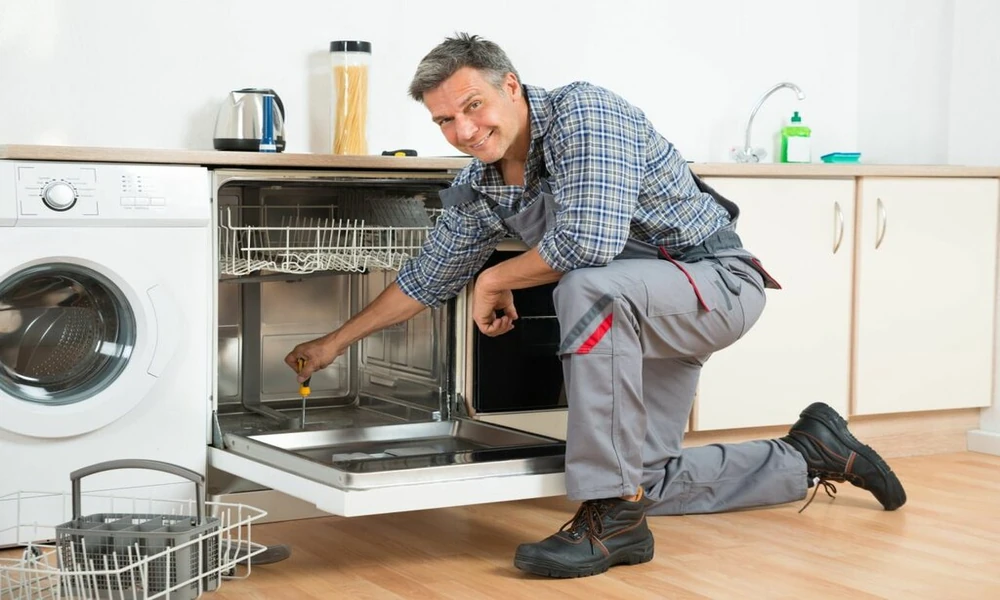
It is a common assumption that a general handyman can handle most appliance faults just as well as a specialist, since the tools involved look similar enough. In reality, misdiagnosis by someone unfamiliar with a specific appliance type is one of the most expensive mistakes a household can make, which is exactly why Appliance Repair Experts who specialise in the relevant equipment consistently deliver better outcomes. The cost difference between hiring the right specialist first and paying for a second opinion after a failed attempt is usually far larger than most households expect.
The Hidden Cost of a Wrong Diagnosis
Replacing the wrong part not only fails to fix the original problem but adds an unnecessary cost on top of the eventual correct repair. A specialist familiar with a specific appliance category can usually narrow the cause quickly by recognising failure patterns common to that equipment, rather than working through possibilities from scratch. A generalist working outside their usual area often has to test each possibility in turn, which takes longer and adds labour cost even before any parts are considered.
What Specialisation Actually Provides
Specialists carry the specific diagnostic tools, spare parts and manufacturer knowledge relevant to particular appliance types, which a generalist typically does not stock or maintain. This translates directly into faster first-visit resolution rather than a repair that drags across multiple call-outs. Familiarity with a specific brand’s common failure points also means a specialist often recognises a fault from the symptom alone, before formal testing even begins.
How Experience Reduces Repeat Failures
An experienced technician recognises when a symptom points to a deeper underlying issue rather than an isolated fault, and addresses the root cause rather than the visible symptom alone. This is the main reason expert repairs tend to hold up longer than a quick fix from someone less familiar with the equipment. A repair that only treats the symptom tends to resurface within months, whereas one that addresses the underlying cause typically lasts for the appliance’s remaining working life.
Time Savings From Getting It Right the First Time
A misdiagnosed repair often means a second visit, additional parts, and an appliance out of action for longer than necessary. Getting the diagnosis right on the first visit, which specialisation makes significantly more likely, is the single biggest factor in how quickly a household gets back to normal use. For appliances central to daily routines, such as a main fridge or washing machine, this time saving matters as much as the financial one.
Genuine Parts Versus Generic Alternatives
Specialists are more likely to have access to genuine or closely matched replacement parts, which tend to last longer and preserve any remaining manufacturer warranty compared with generic substitutes. Choosing experienced technicians who stock appropriate parts over a generalist reduces the risk of a repair that fails again within months. Generic parts may look identical but often have shorter working lives, which turns an apparent short-term saving into a repeat repair bill.
Warranty Considerations When Choosing a Repairer
Using an unauthorised or inexperienced repairer can void remaining manufacturer warranty on some appliances, an outcome many households only discover after the fact. Confirming warranty implications before booking any repair avoids losing cover that would otherwise have been available. This is particularly worth checking on appliances still within their first few years, where remaining warranty value can be substantial.
How to Evaluate a Repairer’s Expertise
Ask directly about experience with the specific appliance brand and model, what diagnostic process they follow, and what warranty is offered on the completed repair. A repairer confident in their expertise will answer these questions clearly rather than deflecting to a general assurance of competence. Vague answers about process, or an unwillingness to commit to any warranty on the finished work, are both worth treating as a warning sign.
When DIY or Generalist Repair Might Still Make Sense
For very simple, low-risk fixes, such as replacing an accessible filter or cleaning a visible component, a generalist or DIY approach can be reasonable. The line to watch for is any repair involving sealed systems, electrical components, or anything requiring the appliance to be partially disassembled, where specialist knowledge becomes far more valuable. Attempting a sealed-system repair without the right training risks turning a contained fault into a much larger one.
Verifying Credentials Before You Book
A quick check of relevant certifications, manufacturer authorisation where applicable, and how long the repairer has worked with the specific appliance category takes only a few minutes but avoids a much costlier mistake. Repairers confident in their credentials will typically volunteer this information without needing to be pressed. Reviews or references from similar past jobs, particularly on the same appliance brand, add a further layer of confidence before booking.
Making the Smarter Long-Term Choice
The upfront cost difference between a generalist and a specialist is often smaller than the cost of a repeat failure, a voided warranty, or a repair that never fully resolves the original issue. Choosing Appliance Repair Experts with proven experience in the relevant appliance category remains the more economical decision across the appliance’s full remaining lifespan. Viewed over several years rather than a single visit, that upfront difference in cost is consistently the smaller number.
