

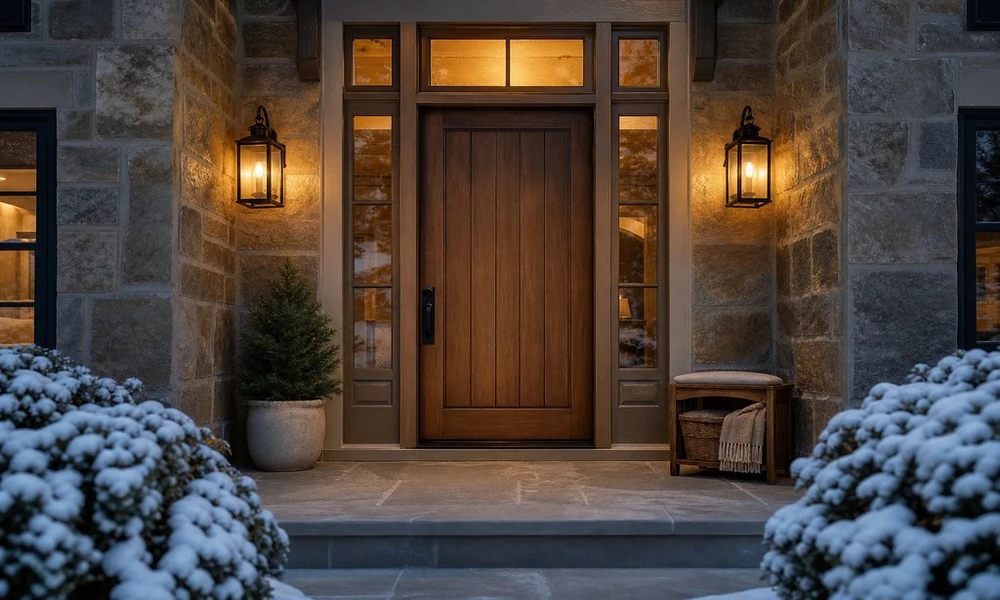
Winter home remodeling
What’s on the Highland home remodeling list when it gets cold outside? It might be that front door that rattles and lets cold air in, the cold air that creeps through older windows, or the mudroom that becomes a dumping ground for boots, gloves, and jackets in a house. Highland home remodeling projects don’t need to address every room or corner of the house, but focusing on problem areas will go a long way toward making the home warmer, drier, and easier to maintain.
The following are some high-priority items for Highland home remodeling when winter is on its way.
Stop Drafts at Doors and Windows
There’s no denying that older homes have character. But older entry doors and windows may leave gaps around the door and window frames. If a door doesn’t sit correctly in its opening, has worn-out weather stripping, a broken threshold or loose trim, that can cause drafts. A door might not necessarily need to be replaced – repairing the door frame and adding weather stripping (CNET’s version at www.cnet.com/home is the least fluffy) might do the trick.
Similar inspections should be done on the windows in the home. Condensation on the inside of a window pane, stained or dirty window trim, and deteriorated paint on the exterior could all be signs of air leaks and moisture entering the home. If a homeowner plans to replace the windows, the installation process should be done properly, too. This includes proper flashing, insulation around the window opening, and exterior trim that is installed to shed water away from the home.
The remodeling contractor should also look at door swing and entryway clearance. A clearance of at least 36 inches from the front door through the main entry corridor will allow space for coats, groceries, and other winter clothing without a jammed-up entrance.
Inspect Insulation, Heating, and Hidden Gaps
After entry points are addressed, the next step is to look into the attic, exterior walls, basement ceiling, and heating system. While these areas may not have the visual appeal of new cabinetry, they play an important role in helping a home function better from room to room. In fact, effective remodeling Highland projects often begin with these practical improvements before moving on to more visible updates.
When looking into adding insulation to the attic and exterior walls, a remodeling contractor should identify gaps in the attic and around plumbing, electrical, lighting and attic hatches, rather than just adding insulation wherever it goes. In addition, if the home is built on a hillside, the lower level walls and rim areas should be checked to see where cold air and moisture may collect.
Heating repairs may be in order, and this could mean replacing or adding ductwork, repairing ductwork or installing a new heating unit that is up to the task of keeping up with the demands of colder temperatures. During the remodeling process, the contractor should determine how the heating equipment will be accessed for maintenance and service. This isn’t about turning your home into an airtight box. It’s about directing where air comes in, where heat leaks out, and where moisture accumulates.
Create a Mudroom-Ready Drop Zone
A minor mudroom upgrade can dramatically improve winter comfort. You don’t need a dedicated mudroom; even a shallow foyer, a long hallway, or part of a garage can serve the purpose.
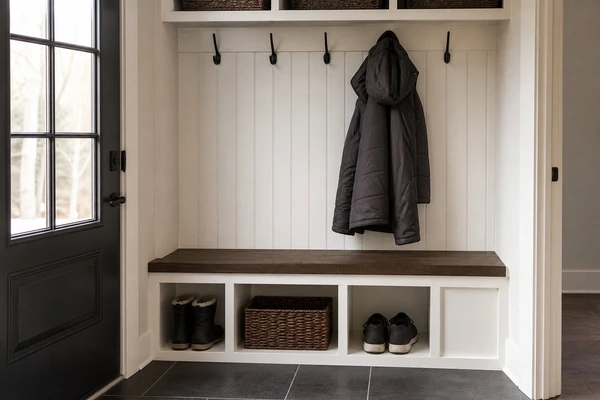
Mudroom storage and durable flooring
Options include:
- Enclosed storage for mittens, beanies, and wet coats
- Hooks positioned for both adults and kids
- A solid bench that can accommodate wet boots
- Floor surfaces that resist water damage and offer grip
- A drip tray or recessed floor area to trap melting ice
It doesn’t have to be large to be effective. The key is that wet footwear and clothing don’t get tracked into the rest of the house.
Select Winter-Resistant Flooring and Finishes
The increased foot traffic of winter highlights cracked tile, worn grout, and poor sealing around doorways and fixtures. Durable flooring is particularly helpful near exterior entrances, pet feeding stations, and pathways used between the kitchen sink and fridge. Select finishes based on everyday use, not just showroom appeal.
Bathrooms benefit from similar upgrades. Properly installed exhaust fans, waterproofed showers, and resilient flooring can keep small moisture issues from growing into bigger ones. If you’re remodeling a bathroom, moving plumbing can expose outdated pipes, drain lines, or framing that needs to be fixed before new surfaces are installed.
Address Drainage and Permitting Early
Before the temperature drops, outside drainage should be a priority during any remodeling. Homes on steep slopes or with aged foundations can be at risk if stormwater pools against them. Gutter systems, downspout extensions, proper yard slope, and landscape drainage should all function as one system to direct water away from the building.
Depending on what you’re changing, permits may be needed for structural changes, plumbing, electrical, windows, or HVAC. Addressing these ahead of time can avoid delays once the weather takes a turn. Contractor availability can also slow as people attempt to get cold-weather work done before the holidays, meaning exterior work and drainage improvements should be scheduled before interior work begins.
Test smoke and carbon monoxide alarms before winter, and add or replace them where necessary. Be sure to replace any smoke alarms that are more than 10 years old.
Clear out storage in utility closets to make sure service technicians can access your heating equipment if it malfunctions in the cold months.
Prioritize the Most Urgent Fixes
A winter remodeling project shouldn’t require a whole-house overhaul. Begin by addressing the areas where air, heat, or water enter your home and fix the entryway that causes the most inconvenience. Write down the rest of your list, including insulation, heating, storage, and moisture issues, in the order they should be addressed before winter sets in.
