

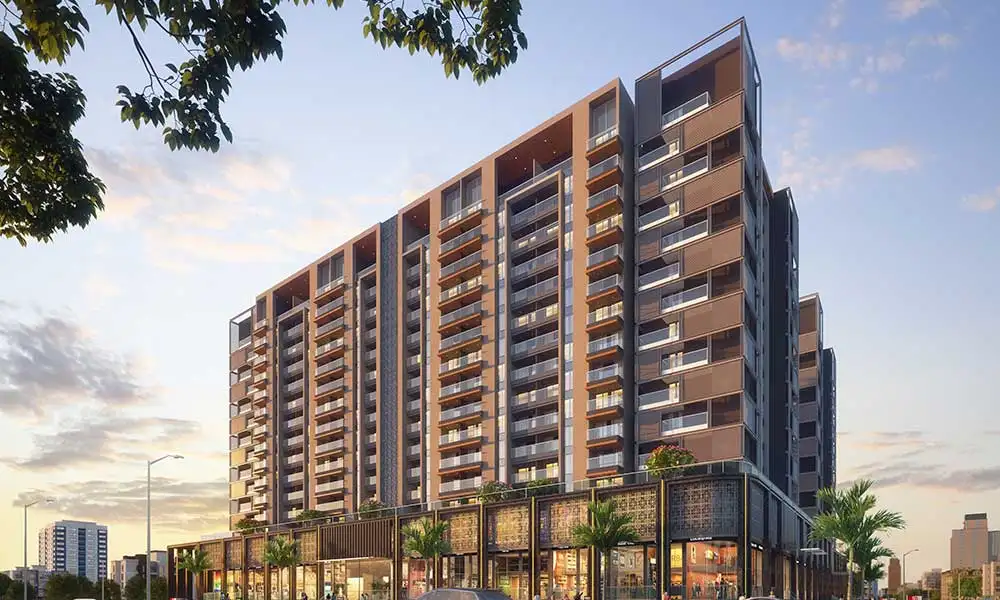
Public places that focus on nature-based designs are becoming a strong factor in raising living standards. These shared places offer a setting where individuals can connect with surroundings while building a sense of unity. By encouraging healthy habits and thoughtful designs, these spaces open paths to better lives for all groups. Such settings not only reduce pressure from urban life but also create a balance with natural elements, supporting the vision of a smart and sustainable city.
Green Zones for Recreation
Designated green zones give individuals open ground for relaxation and renewal. They improve wellness by creating settings where physical movement can flourish. Such spaces encourage people to spend time outdoors while staying engaged.
- Walking routes lined with plants inspire fresh energy each day
- Community lawns allow different activities across wide open areas
- Shaded corners support rest during warmer times
Nature Integrated Designs
When planners add trees and plants to the built form, it softens dense surroundings. Such designs give fresh air and reduce rising heat during busy days. They also provide visual calmness and create a soothing mood for the people.
- Tree cover cuts down heat for walkers on sunny paths
- Natural designs give comfort to residents of crowded blocks
- Simple planting ideas reduce stress in lively settings
Inclusive Urban Gardens
Public parks bring together individuals from all walks of life. They allow sharing of knowledge while providing fresh greenery inside growing cities. These spaces develop responsibility and nurture cooperative lifestyles.
- Shared planting zones create chances to learn from neighbors
- Local gardens promote healthy routines through simple efforts
- Collective care builds long-lasting unity among citizens
Active Lifestyle Promotion
Spaces made for movement support positive choices in everyday life. Jogging ways, play areas and riding lanes inspire wellness for young and old alike. Such designs make fitness easy to follow and strengthen social interaction.
- Jogging trails provide steady balance for health minded groups
- Play corners spark joy among children of different ages
- Fitness zones promote strength through open air workouts
Sustainable Urban Planning
Design strategies now focus on eco-elements that use less energy. Rainwater harvesting, solar features and waste reduction methods are widely added. These choices guide the future path towards a smart and sustainable city.
- Water harvesting methods aid in saving water in crowded communities.
- Solar-based lighting reduces pressure on conventional power sources
- Waste reuse systems inspire thoughtful actions for urban dwellers
Social Connection Hubs
Public gathering zones allow people to bond with others in friendly ways. From cultural activities to learning workshops, these places form circles of trust. The lively nature of these hubs keeps human contact strong.
- Shared programs let neighbors exchange fresh ideas together
- Workshops inspire curiosity in small or large groups
- Cultural meets foster respect among people from diverse groups
Cities that adopt these eco-focused elements create long-term harmony between people and their surroundings. Such steps also reduce pressure on resources while supporting healthy practices. With improved planning, urban areas can nurture joy through balance between nature and daily routines. When citizens feel connected through welcoming spaces, lifestyles grow stronger and more vibrant, making collective living rewarding for every generation.
