

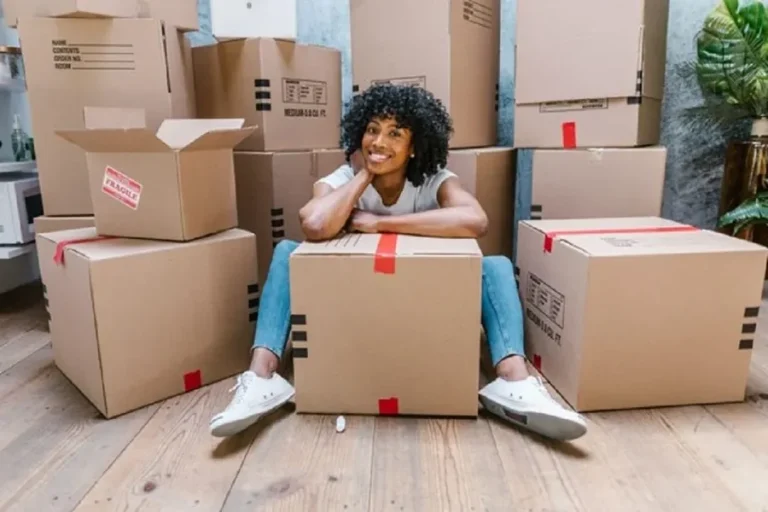
Moving day can feel like a workout of its own—especially when you’re dealing with bulky treadmills, delicate bikes, or awkward free weights. Sports equipment is notoriously tricky to pack and transport. Items are heavy, oddly shaped, or full of moving parts that can easily get damaged if handled incorrectly. The good news? With the right preparation, you can relocate your gear without stress or costly repairs.
Take Inventory and Prepare Your Gear
Before you start packing, get a clear picture of what you’re moving. Different equipment requires different packing strategies, so organization upfront will save you time later.
- Separate heavy items (weights, kettlebells) from delicate items (yoga mats, resistance bands)
• Identify equipment that needs disassembly
• Check manuals for guidance on transport and reassembly
• Clean each item to remove dust, sweat, and debris that could damage surfaces during the move
If anything looks worn or unstable, consider repairing or replacing it before the move.
Disassemble Large Equipment
Gym machines and large training tools often travel best when taken apart.
- Remove detachable parts from treadmills, ellipticals, benches, and squat racks
• Keep bolts, screws, and hardware in labeled plastic bags
• Wrap metal frames with moving blankets to prevent scratches
• Secure any cables or attachments with zip ties so they don’t get tangled or damaged
Take photos during disassembly so reassembly is quick and foolproof.
Pack and Protect Smaller Gear
Smaller sports items are easier to move, but they still need protection to stay organized and damage-free.
- Use sturdy boxes for weights and dumbbells, and reinforce the bottoms with packing tape
• Roll yoga mats and secure them with straps before placing them in a box
• Wrap balls, helmets, and padding in bubble wrap
• Store resistance bands and jump ropes in sealed bags to prevent tangling
• Pack items by category so they’re easier to unpack and set up in your new space
Avoid putting too many heavy items in a single box—aim for manageable weight.
Protect High-Value and Delicate Equipment
Bikes, rowing machines, and specialty training gear deserve extra care.
- For bicycles, remove pedals, lower the seat, and consider using a bike box
• Wrap fragile LCD screens or monitors on cardio machines with foam padding
• Protect polished or chrome surfaces with soft blankets or microfiber cloths
• Use tie-down straps inside the truck to keep large equipment from shifting
If you’re unsure how to handle delicate gear, consider hiring experienced movers who know how to secure specialized equipment.
Load Strategically on Moving Day
Proper loading can make or break the safety of your sports equipment during transport.
- Load heavy pieces first and secure them against the truck wall
• Place lighter boxes on top of stable surfaces
• Use straps or rope to prevent rolling or tipping
• Keep fragile items separate from heavy machinery
• Never stack weight plates loosely—they should be boxed or secured tightly
Final Thoughts
Moving your sports equipment doesn’t have to be a challenge if you prepare properly, use the right packing methods, and load strategically. For added peace of mind, professional movers can handle everything from disassembly to safe transport. If you’re looking for trusted experts to help with your move, Chipman Relocationhas the experience and equipment to get your gym gear to your new home safely and efficiently.
