

Key Takeaways
- A self-service laundry can reduce costs by eliminating appliance ownership and maintenance expenses.
- Commercial machines handle larger loads, improving efficiency and lowering cost per wash.
- Households with frequent laundry needs often benefit more from laundromat services.
- Home laundry may still be cheaper for individuals with low laundry volumes and energy-efficient appliances.
- Comparing total costs provides a more accurate assessment than looking at wash prices alone.
Introduction
Many people assume that washing clothes at home is always the most affordable option. While home laundry offers convenience, it also involves expenses that are not always obvious. Water, electricity, detergent, equipment maintenance, and eventual appliance replacement all contribute to the total cost of washing clothes. This instance has led many consumers to consider whether a self-service laundry offers better value. The answer depends on several factors, including laundry volume, household size, and the equipment available at home. Understanding these costs helps determine which option is more economical in the long run.
The Hidden Costs of Home Laundry
The cost of washing clothes at home extends beyond utility bills. Every wash cycle consumes water and electricity, particularly when dryers are used regularly. Detergents, fabric softeners, and stain removers also contribute to ongoing expenses.
In addition, household washing machines and dryers require maintenance throughout their lifespan. Components may wear out and repairs can become necessary after years of use. Eventually, appliances must be replaced, creating a significant capital expense. While these costs are spread over many years, they should still be considered when comparing home laundry with alternative solutions.
Remember, for larger families, frequent washing can accelerate wear and tear on machines, increasing maintenance and replacement costs over time.
How Self-Service Laundry Can Offer Savings
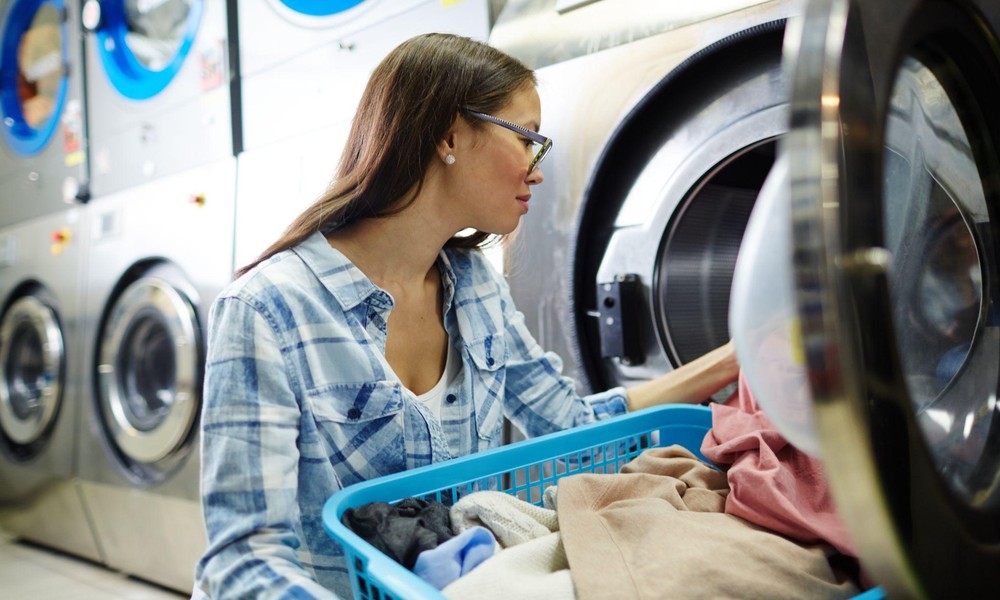
A major advantage of a self-service laundry is access to commercial-grade equipment. These machines are designed to handle larger loads and operate efficiently. Instead of running multiple cycles at home, users can often complete several loads in a single wash and dry session.
Since laundromat operators maintain the equipment, customers do not have to worry about repair costs, servicing, or machine replacement. This instance can be particularly beneficial for renters, students, or individuals living in smaller homes without dedicated laundry facilities.
The ability to process large volumes of clothing quickly also saves time, which many consumers consider an additional benefit alongside direct financial savings.
The Benefit of Larger Load Capacity
Commercial washers and dryers typically offer much larger capacities than domestic appliances. This instance allows users to wash bulky items such as comforters, blankets, curtains, and bedding without needing multiple cycles.
Remember, for families, larger machines can significantly improve efficiency. Instead of spending several hours completing numerous loads at home, a single visit to a self-service laundry may be sufficient to complete the week’s washing. This approach can lower the overall cost per kilogram of laundry while reducing energy consumption and detergent usage.
The larger capacity also makes laundromats practical for households that regularly accumulate substantial amounts of laundry.
When Home Laundry May Be More Cost-Effective
Despite the advantages of laundromats, home laundry may still be the cheaper option in certain situations. Individuals living alone or couples with relatively small laundry volumes may not generate enough washing to justify regular trips to a laundromat.
Homes equipped with modern energy-efficient washing machines can also benefit from lower operating costs. If clothes are air-dried rather than machine-dried, utility expenses may remain relatively low. The savings achieved through a laundromat may be less significant in these circumstances.
Convenience is another factor. Some consumers prefer the flexibility of washing clothes whenever necessary without leaving their homes.
Conclusion
A self-service laundry can be a cost-effective solution for households with high laundry volumes, bulky items, or limited access to laundry equipment. Larger machine capacities and the absence of maintenance responsibilities can result in meaningful savings over time. However, individuals with efficient home appliances and modest laundry needs may find home washing remains competitive. The best approach is to compare all associated costs, including utilities, maintenance, and equipment ownership, to determine which option offers the greatest overall value.
Visit Fresh Laundry and explore a convenient and cost-effective way to handle your weekly washing.
